Blogging Political Geography
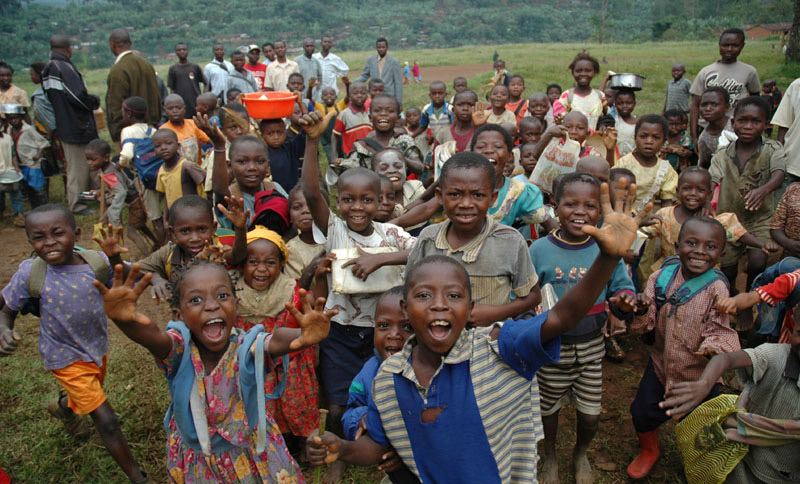
There are so many aspects of a researcher's job that are not well reflected in most academic writing: exchange of ideas at conferences and workshops, methodological dilemmas, insights in the field, or resonance in the everyday, that are "too small" to "make it" as a full-size paper or chapter... This blog aims to make space for insights that happen within the scope of academic work, but do not always make it "out". It offers us, members of the Political Geography research group, the possibility to exercise the ability to be present differently in the field and other research settings. It allows us to cultivate an awareness to events and details that might fall through the cracks of more conventional academic writing.
With this blog, members of the Political Geography research group also explore other forms of writing than journal articles, book and theses chapters. We tackle issues that inspire us, namely around the themes of the politics of resource extraction, power and identity, violent terrirotialisation, and “north-south” power asymmetries.
-

Nature Conservation: Paradigms, Policies and Practices
In this podcast we discuss our learnings as a group and shed light on very different aspects of nature conservation. We discuss swiss political instruments such as federal laws, different paradigms of conservation, ideas of radical scholars and practices from small and large conservation organisations – from neighbourhood levelt o globally operating NGOs.
-

Is the 2003 Sihl plan still enough for todays Zurich?
For centuries, the Sihl was seen mainly as a flood risk as Zürich expanded into its floodplain. A planning concept from 2003 reframed the Sihl as a space for urban biodiversity, ecological connectivity, and recreation. How well this concept reflects current urban priorities is explored in this blog by students from GEO410 Geography. Matters.
-

Hidden waters of Zurich
Once largely buried beneath streets and buildings, Zurich’s streams are slowly reemerging. Since the 1980s, a shift in thinking has reframed waterways as ecological and social assets. This blog by students of the course GEO410 Geography.Matters. investigates where stream daylighting is still possible in Zurich—and why bringing water back to the surface matters.
-

Urban development impact on lake water quality and fishes in the lake Zurich
For millennia, Lake Zurich has been shaped by human use, urban growth, and infrastructure development. Today, it is both a vital drinking-water reservoir and a sensitive ecosystem increasingly affected by urbanization- raising questions about water quality, fish populations, and long-term resilience. In this post, students from the GEO410 Geography. Matters. Course elaborate on the co-development of urbanization, water quality and fish populations.
-

PFAS in our drinking water: The invisible danger also lurks in the canton of Zurich
Invisible, persistent, and potentially harmful: PFAS are increasingly found in our drinking water—even in the canton of Zurich. This blog post from students of the GEO410 Geography. Matters. Course aims to anwer questions about water safety, health risks, and how well current regulations protect the population of Zurich and beyond.
-

Through a Beaver’s Eyes
Have you ever wondered what creatures roam through Zürich after dark? Along the Limmat, a beaver named Castor and his grandfather guide readers through past, present, and future river landscapes. Blending storytelling with science, this blog by students from GEO410 Geography. Matters. explores how beavers reshape urban nature—and how cities are learning to live with them.
-

A Village in the City?
Urban areas in Switzerland, including Zürich, are key arrival spaces for people with migration backgrounds. However housing shortages, bureaucracy, and exclusion often hinder belonging. FOGO – Leben am Vulkanplatz challenges this divide by bringing people from different backgrounds together through shared housing, cultural spaces, and work environments. GEO410 students explore how its design and encounters foster inclusion in the city.
-

Seeking Shade: A journey through Zurich’s Urban Biodiversity
Cities are hotspots of the so-called urban heat island effect: built surfaces absorb and store heat during the day and release it slowly at night, keeping temperatures higher than in surrounding rural areas. In this post, students from the GEO410 Geography. Matters. Course explain how green infrastructure not only reduces air temperatures but also provides crucial habitat for biodiversity.
-

Invasive Neophytes in the City of Zürich: Plants vs Humans
You may have heard about invasive neophytes before, species of plants that are not native to an area, lack natural enemies and spread very quickly. In consequence, they threaten local flora and fauna. But invasive neophytes do not only pose a danger to our environment, they can also threaten human health. In this post, students from the GEO410 Geography.Matters course analyze the threat of two invasive plant species on human health in Zürich.
-

Bird Richness in Urban Greenspaces in Zurich
by Martin Andersen, Artine Ismaili, David Leu, Sonja Rigoni and Jessica Vargas Urban parks play a vital role in sustaining biodiversity within cities by offering habitats for various species. Among the key factors shaping urban ecosystems, tree diversity may strongly influence bird communities by providing diverse food sources, nesting sites, and microhabitats.Studies repeatedly show that […]
-
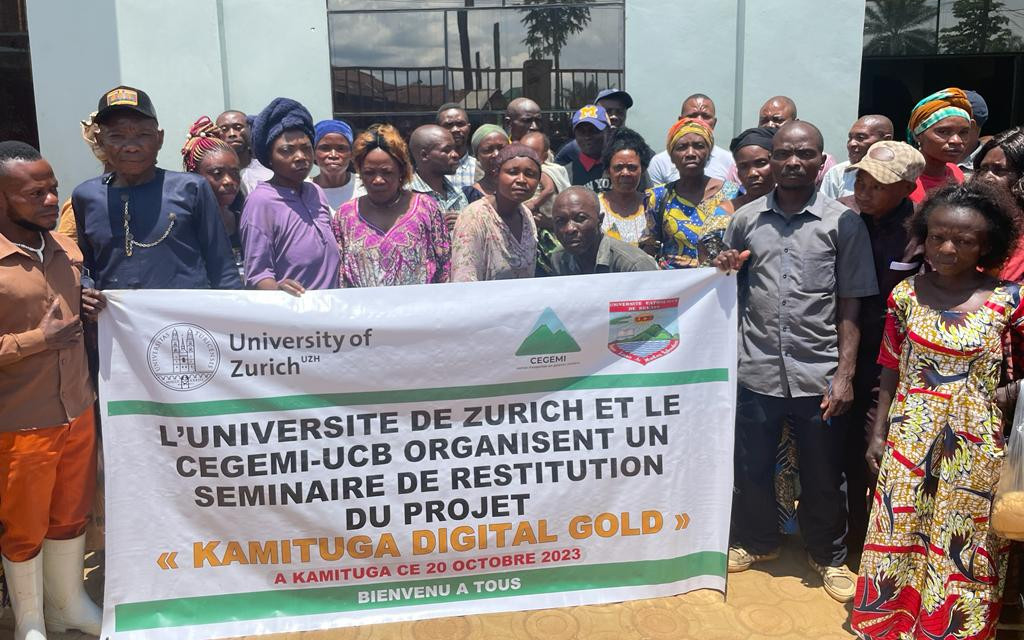
“Kamituga Digital Gold” Exhibition goes to the DRC, Africa!
The “Kamituga Digital Gold”, an immersive exhibition by PGG Ph.D. scholar Gabriel Kamundala goes from the Zurich Design Museum in Switzerland all the way to Africa in the DR Congo!
-
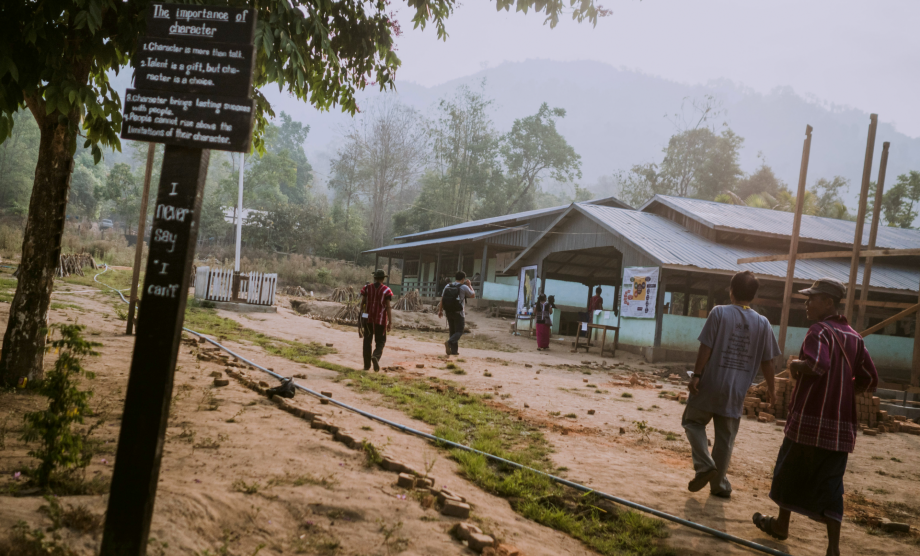
Introducing Shona Loong: the journey so far, the path ahead
The Political Geography Group (PGG) welcomes Dr Shona Loong, who joined as a Senior Scientist in January 2022. Her research focuses on conflict transformation, peacebuilding, and the politics of international development. Read more about her work and ethos towards research here.
-
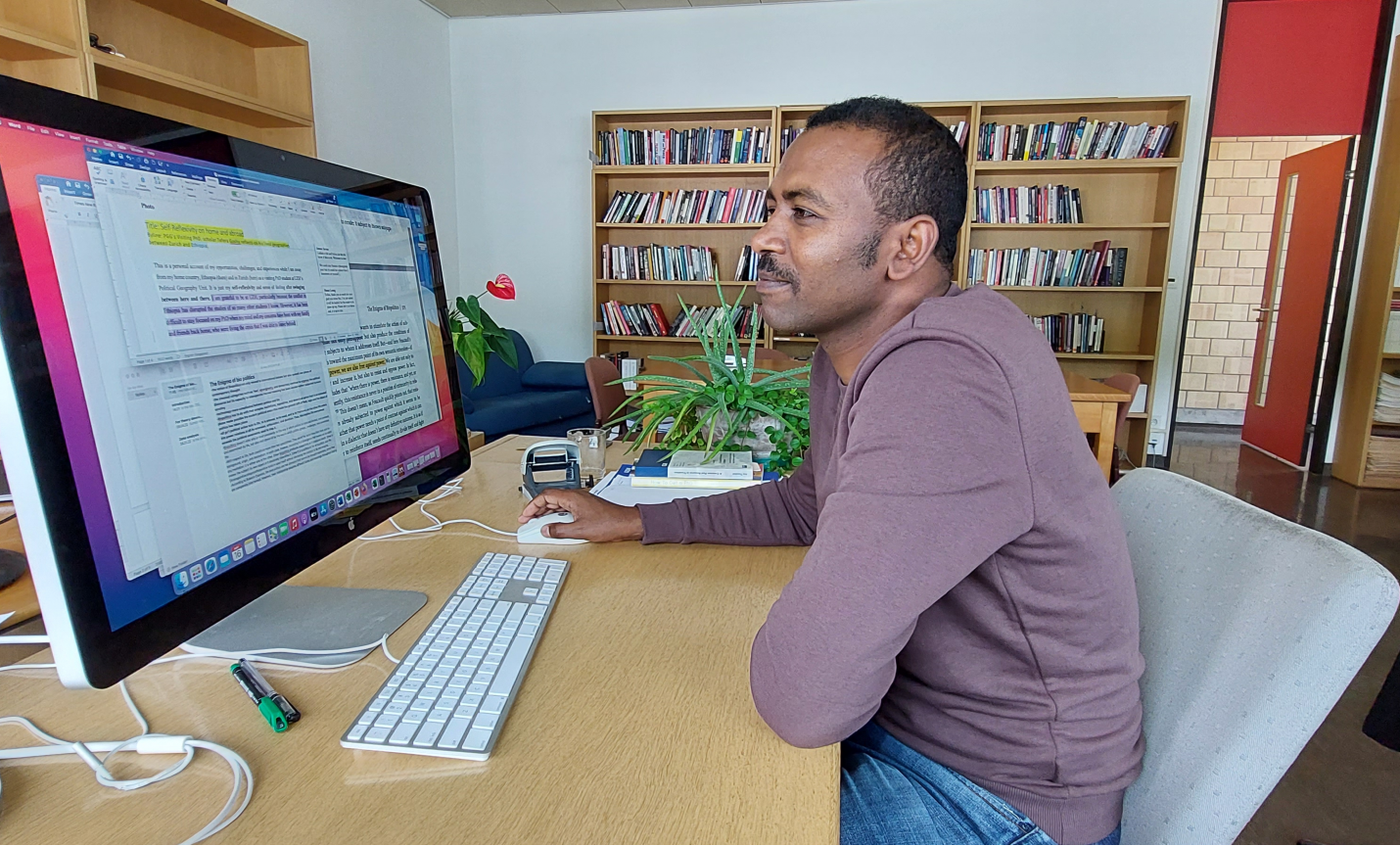
Reflections and reflexively between Ethiopia and Switzerland
PGG’s Visiting PhD. scholar Tefera Goshu reflects on his lived geographies between life as a visiting scholar in Zurich and as a citizen and researcher of agrarian change and politics of Ethiopia.
-

Academic Practice in the Time of Corona
COVID-19 has unsettled a lot of people in their personal and professional lives. There are anxieties and frustrations among young and aspiring academics whose projects have delayed or completely derailed and now face uncertain career futures. The blog post is a personal reflection that focuses on the changing (and unchanging) practices in academia to suggest that during the pandemic (where online exercises are expedient and ubiquitous), young scholars (and indeed others) are settling for watered-down academic experiences. The pandemic experiences, spoken of in global and universal terms, gloss over widening academic disparities that leave behind scholars with fewer privileges, especially from economically deprived regions of our planet.
-

Patriotic Science – The Corona Virus Pandemic, Nationalism, and Indigeneity
On March 26th the Chairman of the GMOA, Consultant Pediatric Neurosurgeon Anuruddha Padeniya, extolled the virtues of pirit, or ritual Buddhist chanting, on national TV.
-
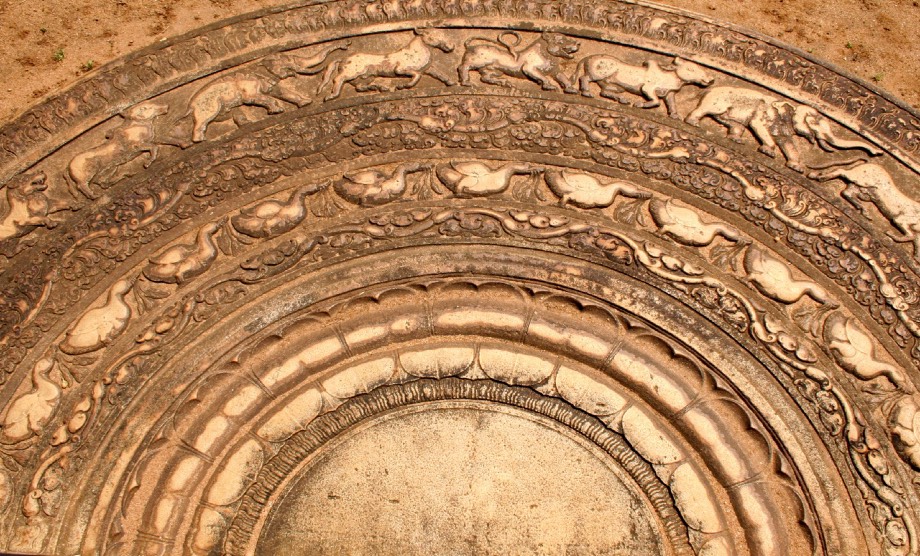
Menschen auf mittleren Wegen in Zeiten von Wandel und Abwegen
Derek Gregory meinte einmal, Forschende sollten mehr nicht-akademische Literatur lesen. Manuka Wijesinghes neu auf Deutsch erschienener Roman ist dafür eine gute Gelegenheit: für Sri Lanka Forschende ebenso wie für alle am menschlichen Leben interessierte LeserInnen.
-
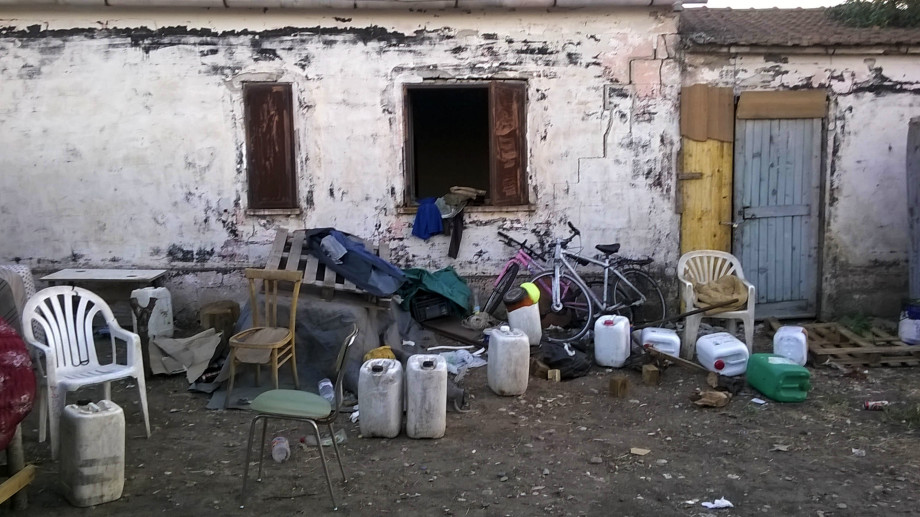
Exploitation and illegality of migrant workers in the Italian agro-industry
In 2015-16 I undertook a thesis and fieldwork on the plight of African migrant workers in the South of Italy. The thesis focuses on Italy’s tomato plantations, in the area of Foggia (Puglia) and the Vulture Alto Bradano (Basilicata). Each Summer, tomatoes which will end up on supermarket shelves around the world are being picked by these labourers in the South of Italy, at prices that beat all competition. These low prices have a high cost, however, which is increasingly carried by the land, the producers and precarious farm workers.
-
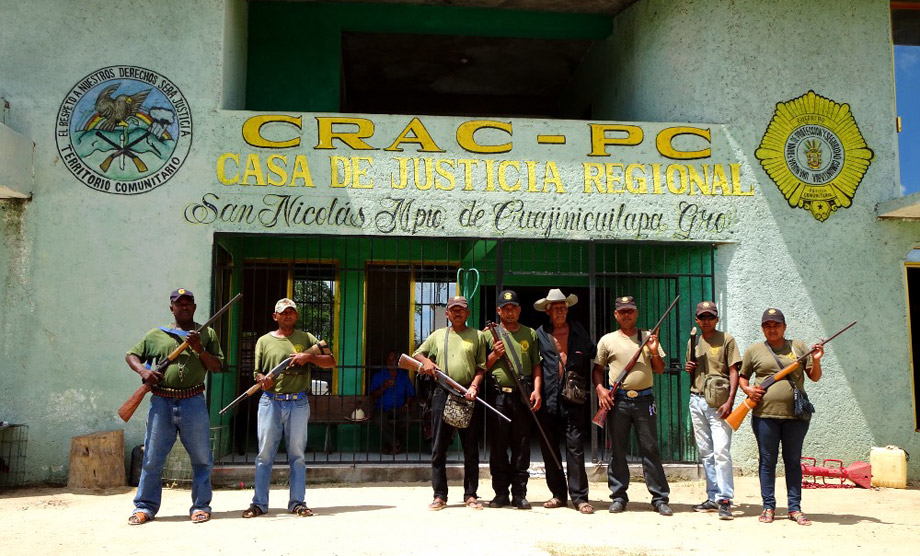
Reflexive Research on the case of Communitarian Police Forces in Mexico: How a Contested Field of Research and Empowered Interviewees Changed my Focus
For a few years, vigilantism is gaining more attention, both in Mexico and worldwide. Vigilante movements are usually regarded as non-state organizations engaged in security tasks in situations where state organizations are either too weak or unwilling to uphold the monopoly on violence. But the situation is often much more complex...
-
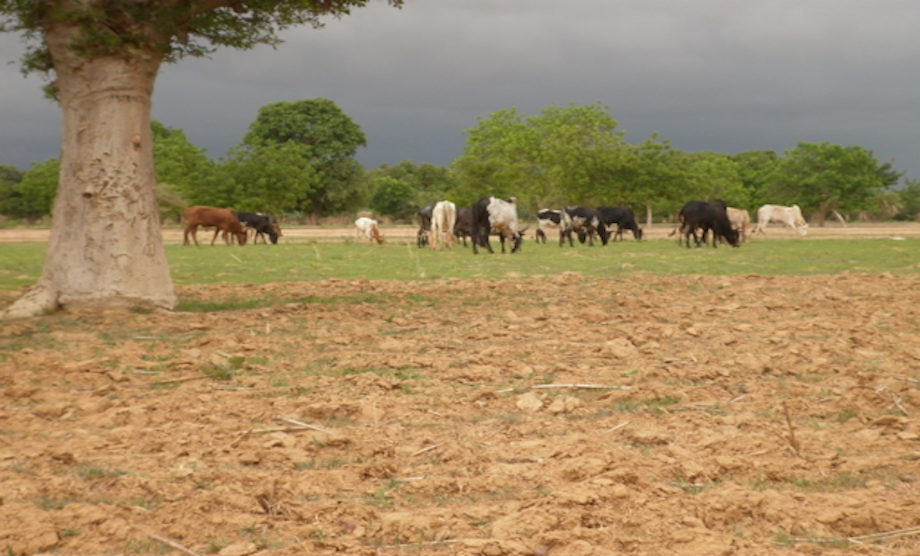
Julian Kaiser reflects on his master research project in Ghana
Julian Kaiser defended in February 2019 his master thesis entitled “Good herder, bad herder – understanding the construction of Fulani herders’ identities by the local community in Agogo, Ghana”. It is embedded in the problematic of often violent conflicts between farmers and herders that can occur in West Africa around the damage of agricultural fields by cattle herds.
-
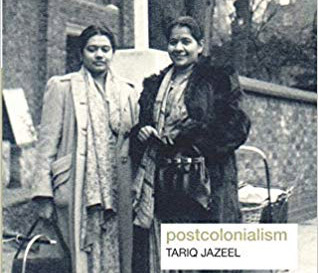
On postcolonialism, singularity and territories of thought
Dr. Tariq Jazeel, UCL, came to give a public lecture and a seminar on his new book "Postcolonialism" at our department on 26th February 2019. The seminar was very well received and we continued discussing about his work and how it is relevant to our own. Thamali Kithsiri, Benedikt Korf, Timothy Raeymaekers and Daniel Wolfe met to talk and think more about his inspiring work and ideas. From this initial impetus, a vivid discussion about the geographies of knowledge and the geographies of theory in a postcolonial world ensued.
-
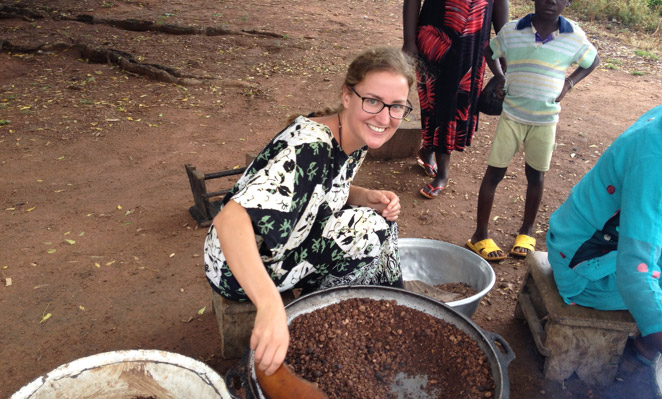
Decisions have consequences: Contrasting stories of shea butter & community conservation in Ghana
At first glance, they seem identical - Two neighbouring communities, Murugu and Kaden, bordering Mole National Park in Ghana. Both are surrounded by savannah with scattered trees in farmed and fallow lands, where women collect shea nuts.