News
Links to blogposts by our team members
Project Spotlight – Sustainability Potential of Outdoor Light Technology
Uneven illumination and the infrastructure politics of light masterplanning
Project Relational Values with Nature
Project Translating Transformations
Transformative knowledge for transformative change
Making power visible to enable deep societal transformation
How Translating Transformations Got Started: The Story Behind Our Toolbox
Workshop at the International Transdisciplinarity (ITD24) Conference in Utrecht
Power and Agency in TD Research—Developing a Toolkit
Translating Transformations: What We’ve Learned So Far
Project Flip It and Reverse It
Rethinking Change: Putting Indigenous Worldviews at the Heart of Human-Nature Relations
Re-visibilizing relations: Centering Indigenous Knowledge in Switzerland's path to transformation
How we built a team: Methods for connection, reflection, and co-creation
Co-designing Protocols, Practices, and Methods for Transformations
Project Sustainable Mountain Development
When mountains connect: Students writing across borders
Syllabus for the Master course in Political Ecology
News list
-
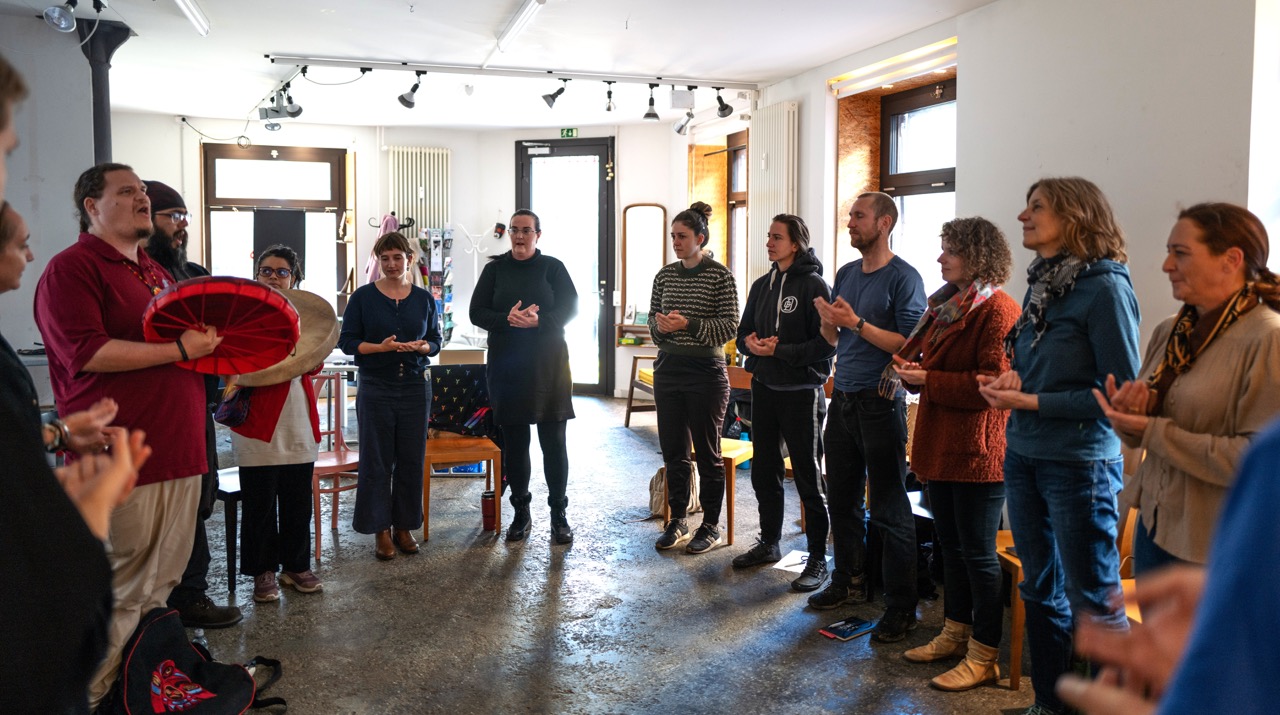
Rethinking Change: Putting Indigenous Worldviews at the Heart of Human-Nature Relations
As the global ‘polycrisis’ of biodiversity loss, climate change, social inequity, political instability, and related crises intensify, transformative change is needed. With our SNSF Spark funded project “Flip it and reverse it” (FIRI), we set out on an ambitious journey to contribute to this shift by centering holistic Indigenous worldviews to rethink how humans relate to nature in Switzerland.
By Sierra Deutsch, Annina Michel and Rose Nelson -
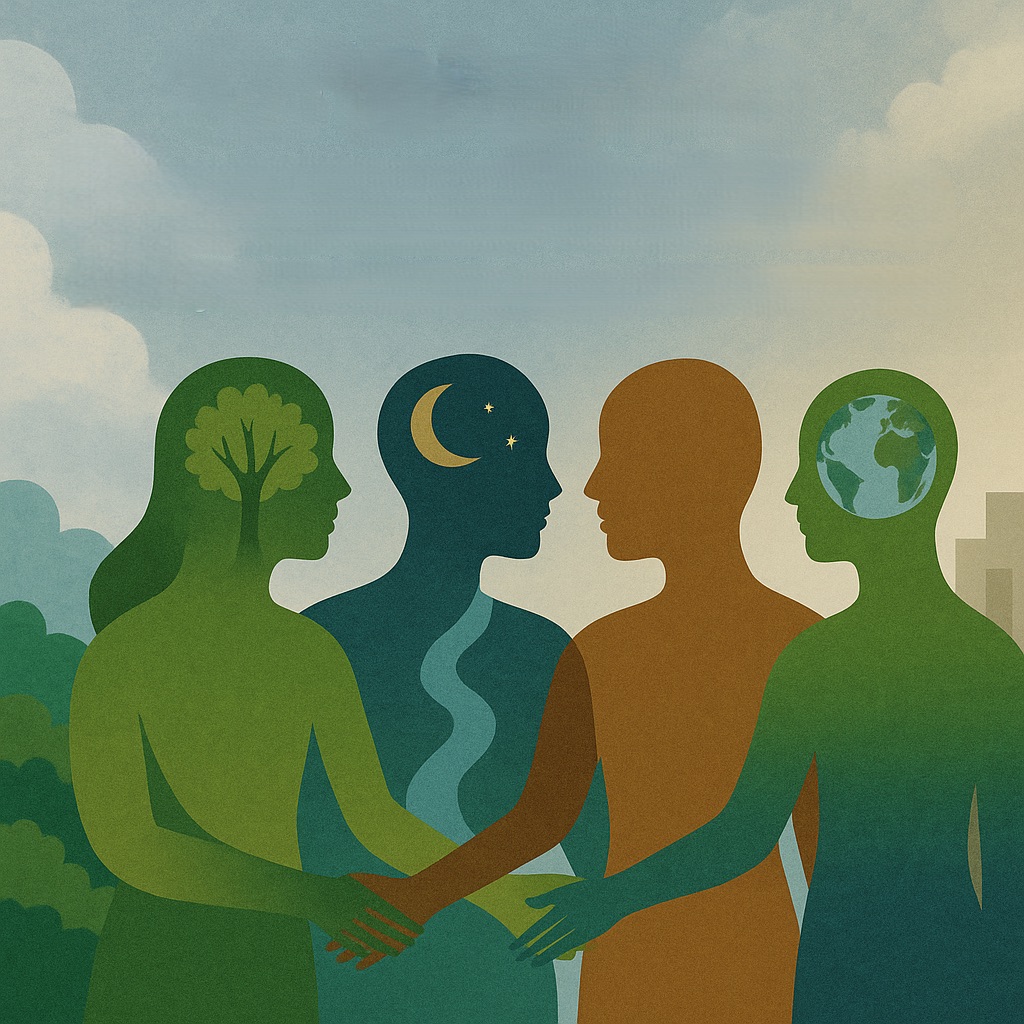
Transformative knowledge for transformative change
What makes change ‘transformative’? How useful is the term ‘polycrisis’ for the global challenges we face today? How do we narrow the gap between knowledge about global sustainability challenges and transformative action? What is the role of Higher Education in societal transformations? How can we co-create just and sustainable futures? Whose voices and knowledge count in that co-creation? How do we stop reproducing the status quo that supports the escalation of the ‘polycrisis’?
By Sierra Deutsch -
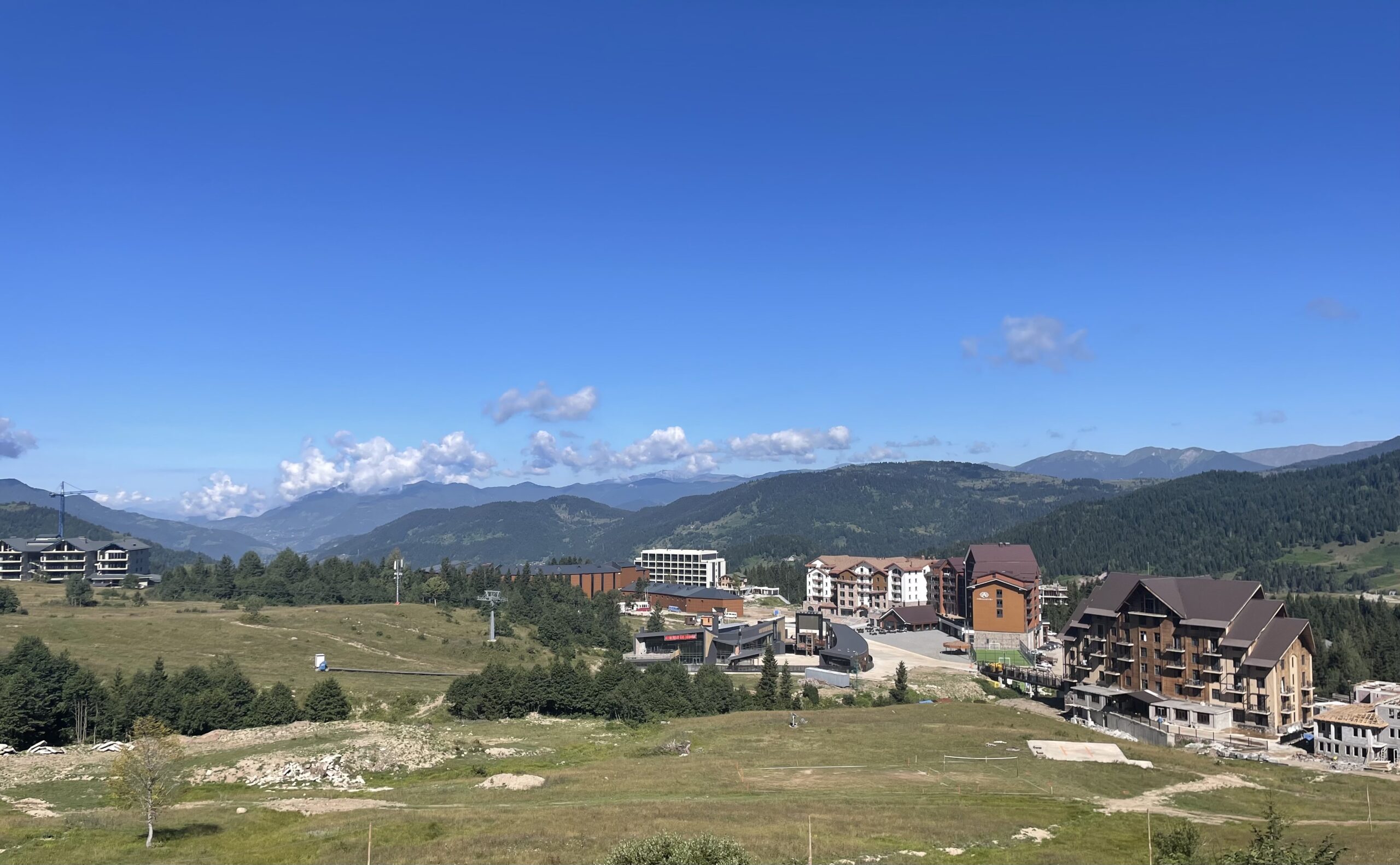
When mountains connect: students writing across borders
How do global pressures play out in mountain regions? In our joint course between GIUZ and Tbilisi State University, students from Georgia and Switzerland have been exploring this question together. They’ve written collaborative blog posts on climate uncertainties for ski tourism, gendered injustices in mountain economies, migration-driven transformations of Alpine regions, and much more. Working in cross-border teams, they had to navigate different academic cultures, time zones, and perspectives — and turn this into shared texts.
By Annina Michel -
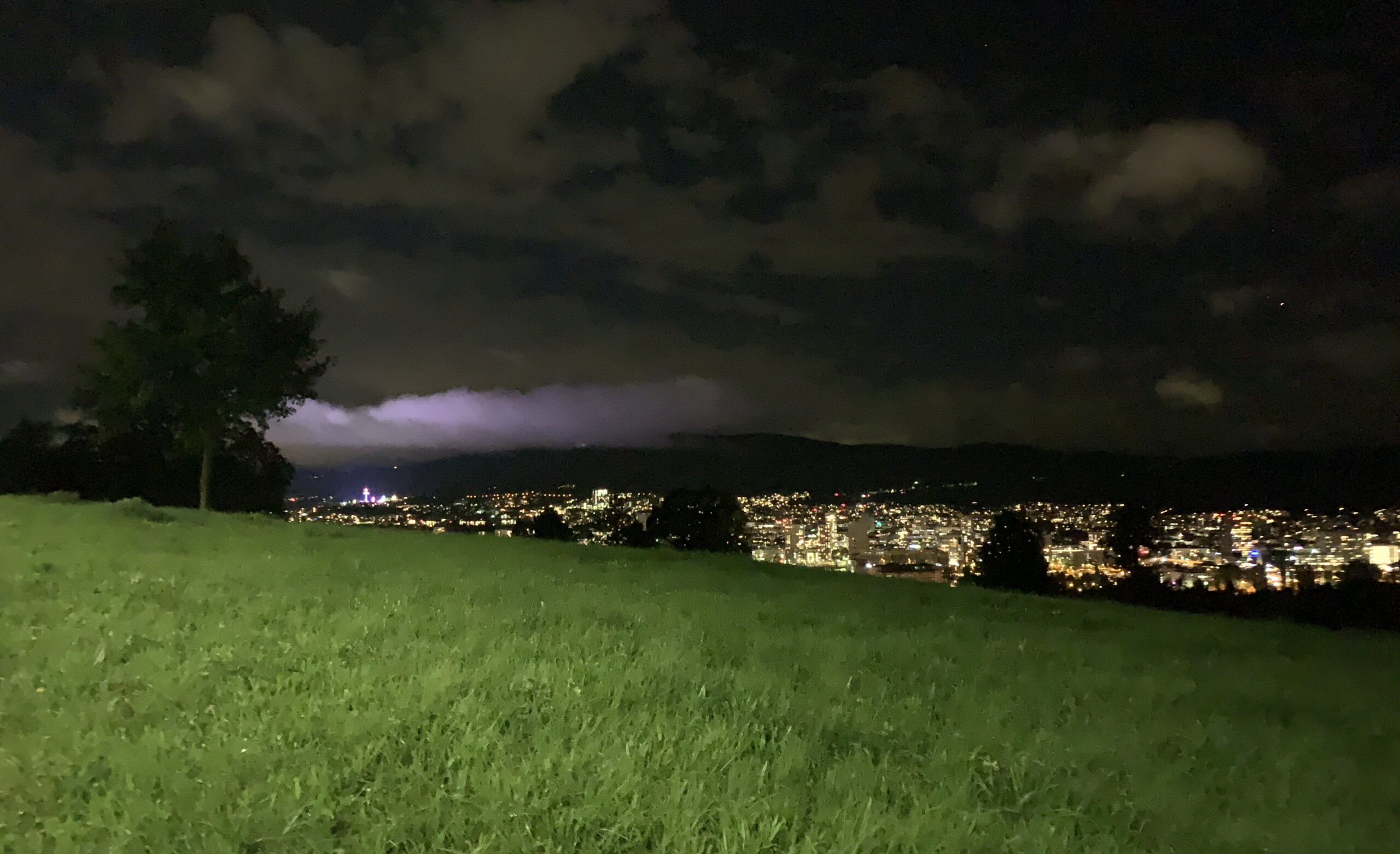
Uneven illumination and the infrastructure politics of light masterplanning
Nocturnal illumination is both a hallmark and a driving force of global urbanisation—and increasingly an urgent environmental concern. From satellite images of the Earth glowing at night, we glimpse how Homo urbanus has shaped a luminous Anthropocene. Far from being a neutral backdrop, however, light infrastructures and nocturnal illumination actively produce urban space. They stretch the frontiers of economic and social life beyond daylight hours, enabling the expansion of urban networks and infrastructures.
By Nitin Bathla -
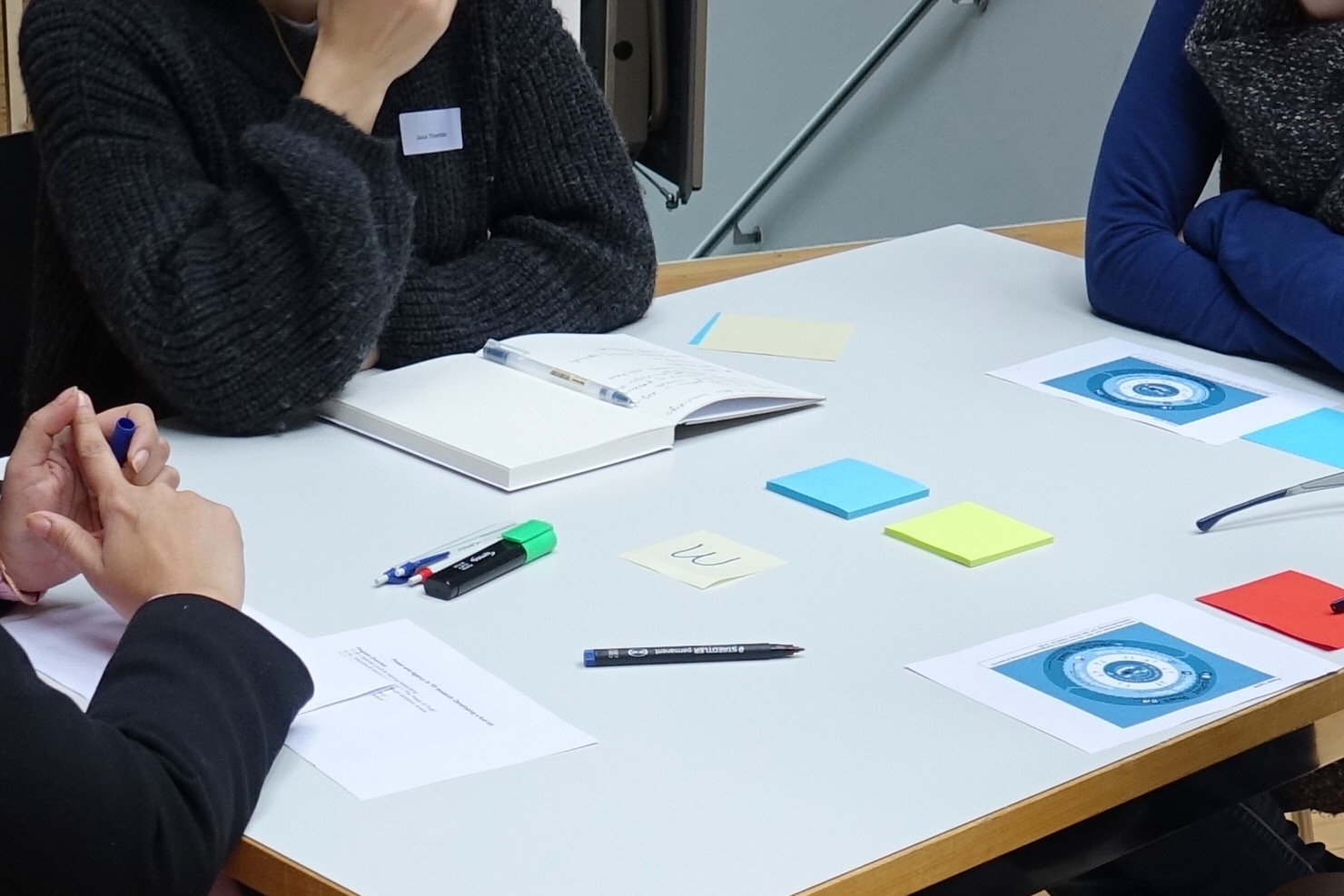
Making power visible to enable deep societal transformation
How can we transition from knowing about the most pressing challenges of our time—climate change, biodiversity loss, and social inequality—to achieving tangible, lasting transformation? Increasingly, experts agree that what is needed is not just new technologies or incremental policy fixes, but transformative change.
By Mirjam Steiger -
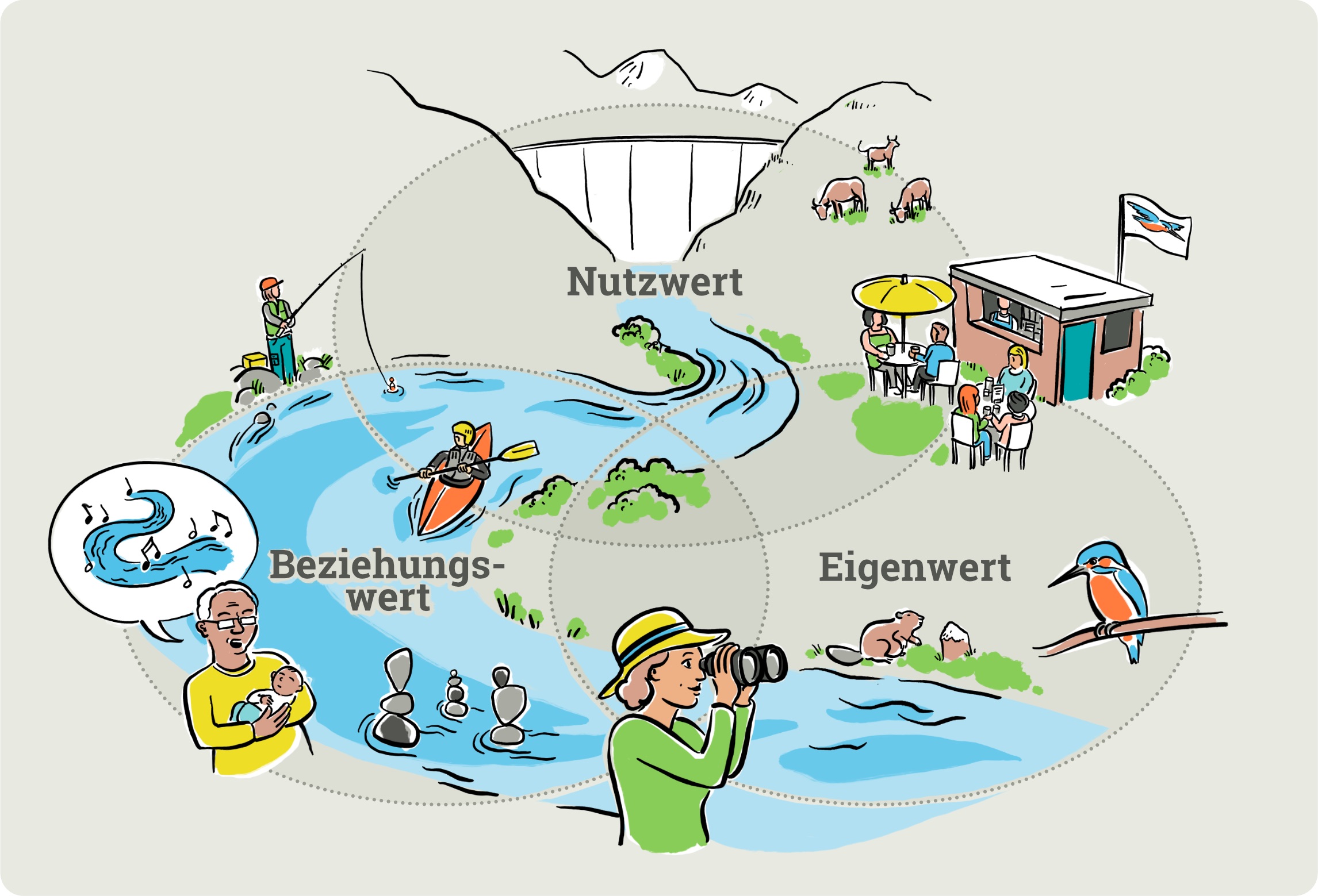
Die vielfältigen Werte der Natur
Wie nehmen wir die Natur wahr? Welche Bedeutung hat sie für uns – persönlich, gesellschaftlich und wirtschaftlich? Und wie können wir ihre Werte und Leistungen langfristig sichern? Diesen Fragen ist das mehrjährige Forschungsprojekt ValPar.CHnachgegangen. Rund 30 Forschende aus fünf Hochschulen haben die Werte und Leistungen der Natur in der Schweiz aus verschiedensten Sichtweisen untersucht, unter ihnen mehrere aus dem Geographischen Institut.
Von Roger Keller -

Literary podcast: which role could novels play in sustainability transformations and transitions?
If you share my passion for books and the dialogue they engage with our lives and our society – and you speak French (or want to improve it!) – this is a podcast channel for you! I want to explore how books mirror our lives, cultures, and societal crises — and how they inspire alternative ways of thinking, paving the way for innovative change.
by Zélie Stauffer -

Understanding human-nature relationships through the lens of birdwatching
Think of a natural entity that you love… A tree, a lake, an animal, your pet, a sunset or even a whole forest. And now ask yourself: “What is it that connects me to this natural entity? Its beauty? The memory I have of it?” Two PhD projects are investigating what makes up our relationship with nature.
by Zélie Stauffer
-
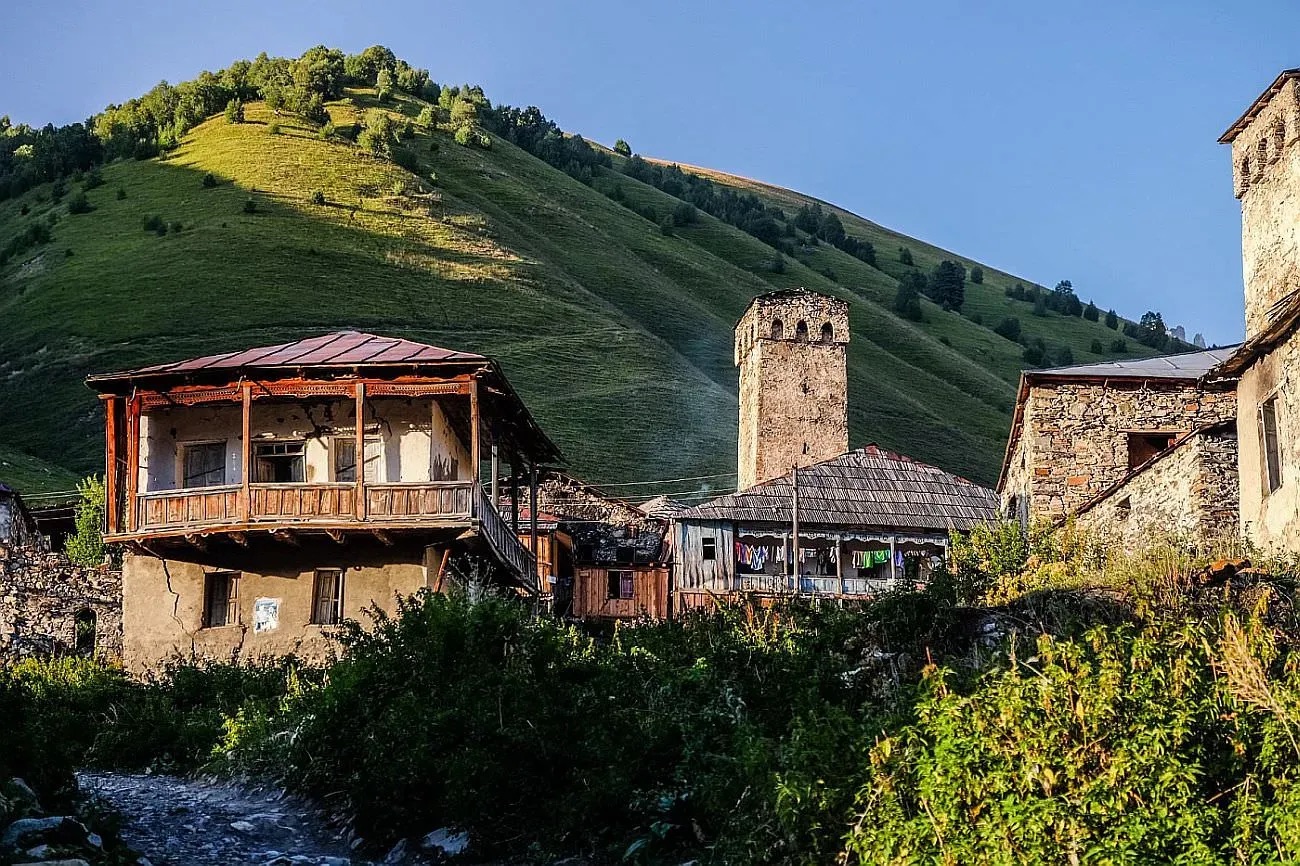
Switzerland meets Georgia: Student insights on sustainable mountain futures
Mountain regions face challenges like depopulation, climate change, tourism pressures, and biodiversity loss. In the hybrid course «Sustainable Mountain Development», students from Tbilisi State University and the Department of Geography explored these issues, comparing the Caucasus and the Alps. Their insights are now featured in blog posts tackling key socio-political questions and solutions.
by Annina Michel
-

The End of Sheikh Hasina’s Era: Is women leadership in Bangladesh at risk?
Besides experiencing the longest-serving female prime ministers, Bangladesh is doing better in the gender equality index. However, only appointing women in different positions does not necessarily bring a gender transformative change. Women frequently operate within patriarchal and neoliberal logic, inadvertently reinforcing patriarchal and capitalist practices rather than challenging them.
by Jinat Hossain
-
Community-led Open Scholarship: Two examples from GIUZ
Engaging with various stakeholders to find creative solutions through collaborative pathways, that’s the basis of our research and teaching in the Space, Nature and Society group (SNS). We are convinced that working towards transformative change requires collaboration across academic disciplines (interdisciplinarity) and with stakeholders from outside academia (transdisciplinarity).
-
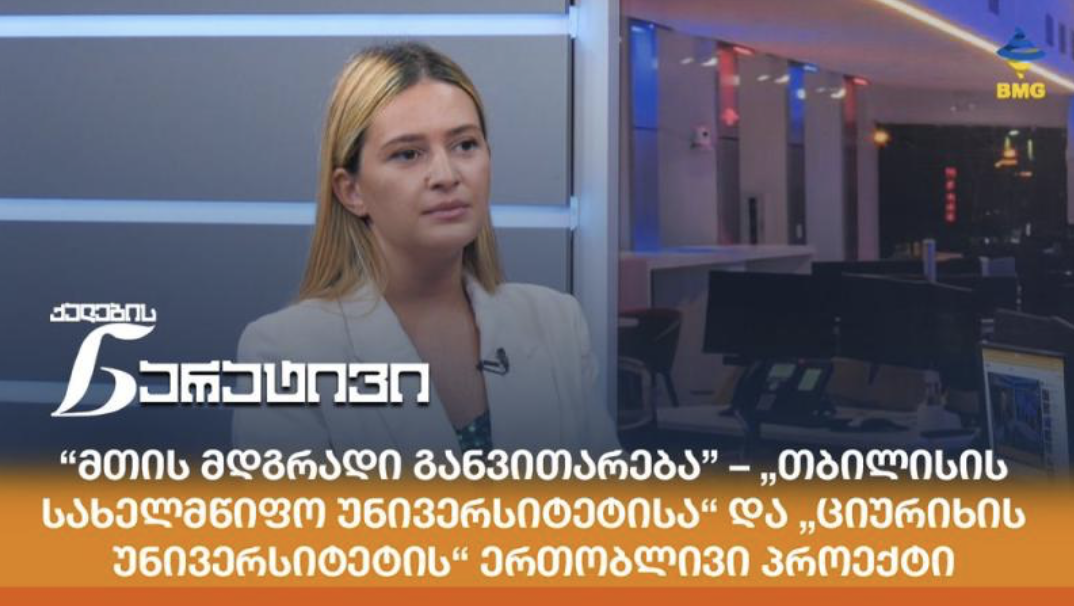
Collaborative Teaching between Tbilisi and Zurich in Geogian TV
Gvantsa Salukvadze was invited by the Women's Narrative Tv program at Business Media Georgia (BMG), which is dedicated to featuring women leaders and their accomplishments. During this opportunity, she was able to shine a spotlight on the joint study course "Sustainable Mountain Development," initiated jointly by Tbilisi State University (TSU) and the University of Zurich (UZH).
-
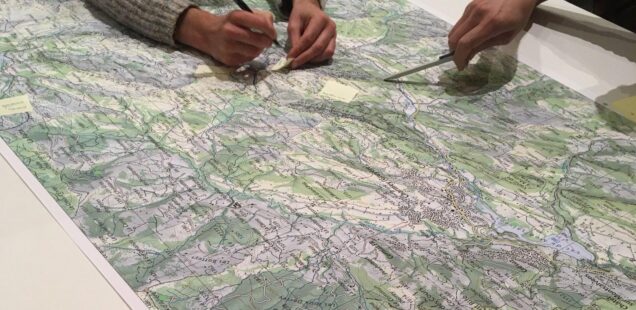
Wo ist für dich die Natur 'intakt'?
Welche Art von alltäglichen Beziehungen zur Natur haben lokale Akteur*innen in regionalen Schweizer Naturpärken? Welche Werte verbinden sie damit? Ein Modul des Projekts ValPar.CH – Werte der Ökologischen Infrastruktur in Schweizer Pärken erforscht diese Fragen mittels partizipativen Kartierens in Workshops vor Ort. Damit lassen sich die vielfältigen gesellschaftlichen Werte von Natur und Landschaft erfassen und für Landnutzungsentscheide sichtbarer machen.
-
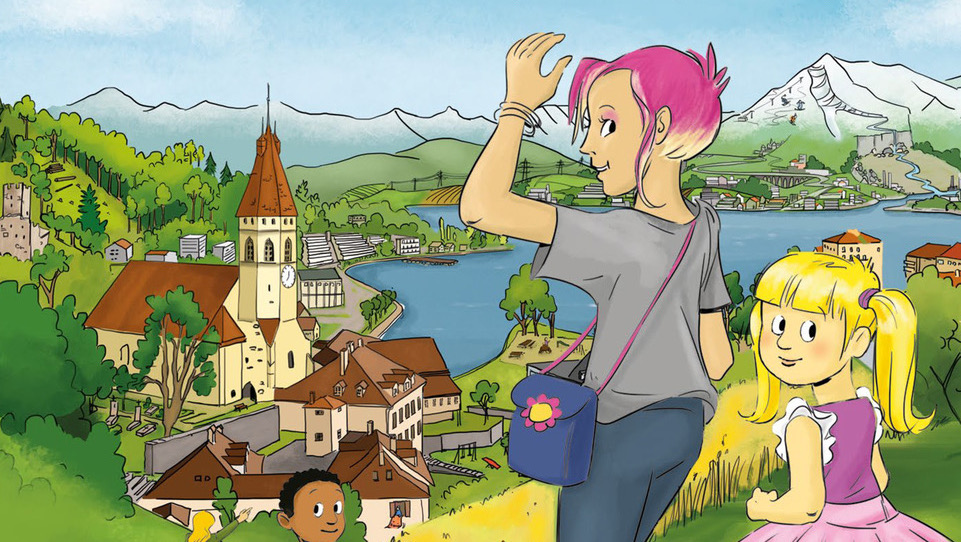
Kinder zum Entdecken, Nachdenken und Staunen über Landschaften motivieren
Das Bilderbuch «Ich entdecke Landschaften» sensibilisiert für das Allgemeingut «Landschaft». Erarbeitet wurde es von einer Projektgruppe bestehend aus Fachpersonen der Pädagogischen Hochschulen Zürich und Waadt, der Universitäten Zürich und Lausanne und von éducation21.
-
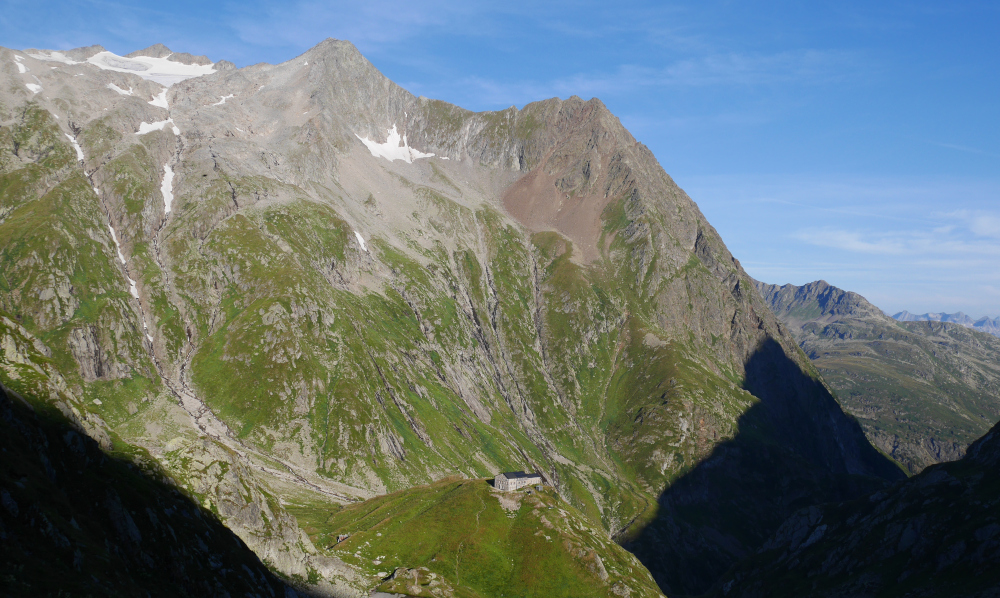
Die Schweiz schützt die Artenvielfalt nicht genug
Warum die Gründung von Schutzgebieten häufig schwierig ist, erklärt Annina Michel im Gespräch mit der NZZ. Sie hat vor einigen Jahren das Projekt zu Errichtung des «Parc Adula» mit Beobachtungen, Interviews und Umfragen begleitet.
-
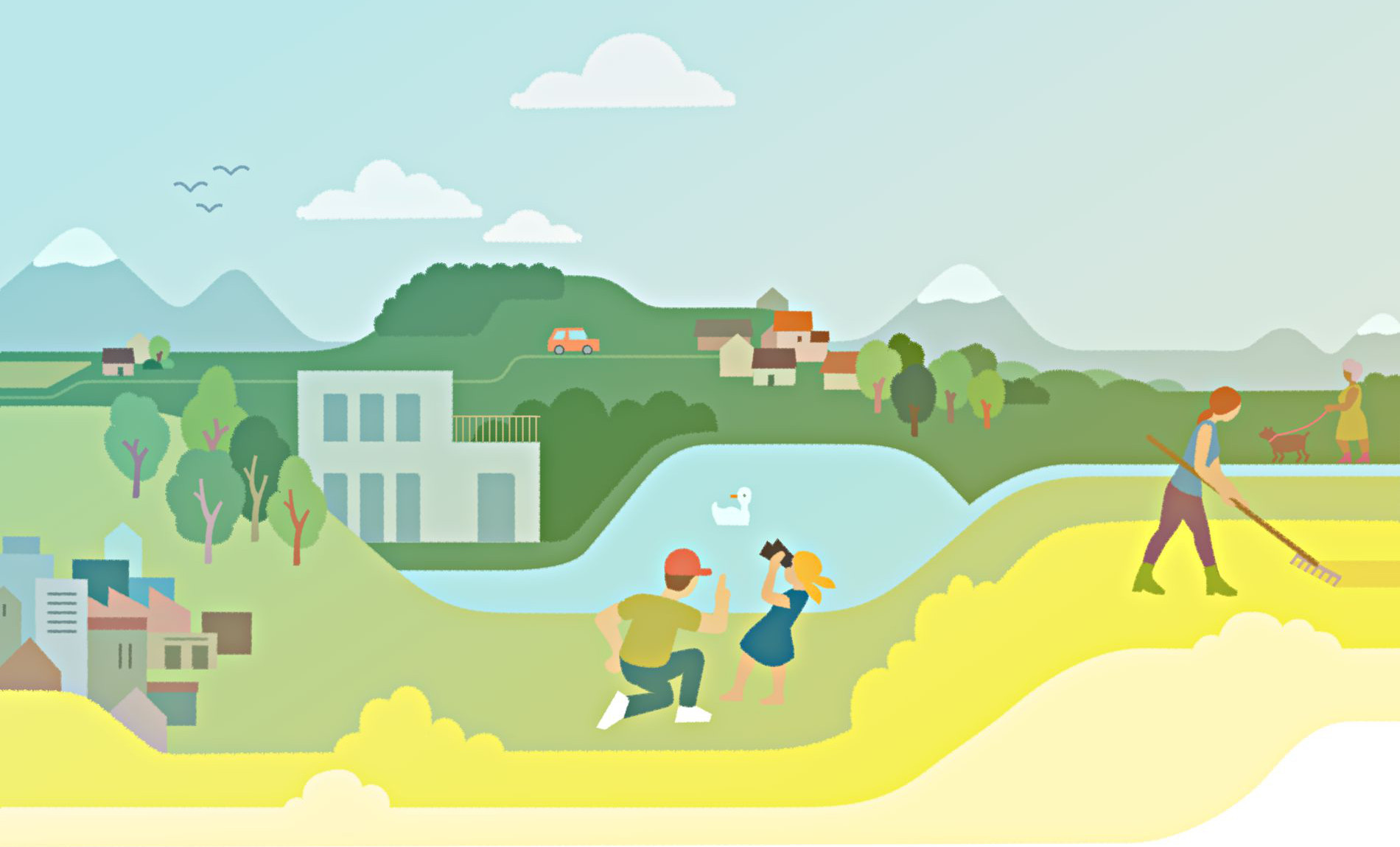
Leistungen von Landschaften fassbar machen
Unterschiedliche Landschaftswahrnehmungen erschweren oft den konstruktiven Dialog über die künftige Entwicklung unseres Lebensraums. Das Konzept der Landschaftsleistungen bietet hier Unterstützung.
-

Landscape services and basic landscape knowledge
A new website explains the understanding of „landscape services“ and lists recommendations and good practice examples – an outcome of a research project by the Space, Nature & Society unit with the University of Lausanne.
-
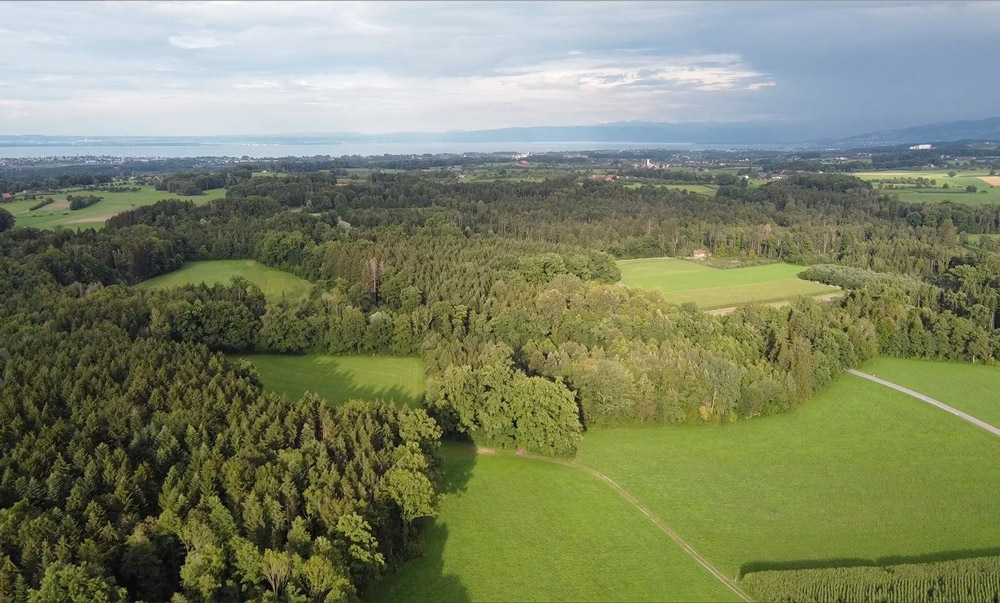
Landschaftsleistungen erlebbar machen
Ein Dokumentationsfilm zeigt am Beispiel eines Landschaftsschutzgebiets an der Kantonsgrenze Thurgau - St. Gallen auf, wie ein Forschungsprojekt des GIUZ einen partizipativen Prozess in Gang gesetzt hat.
-
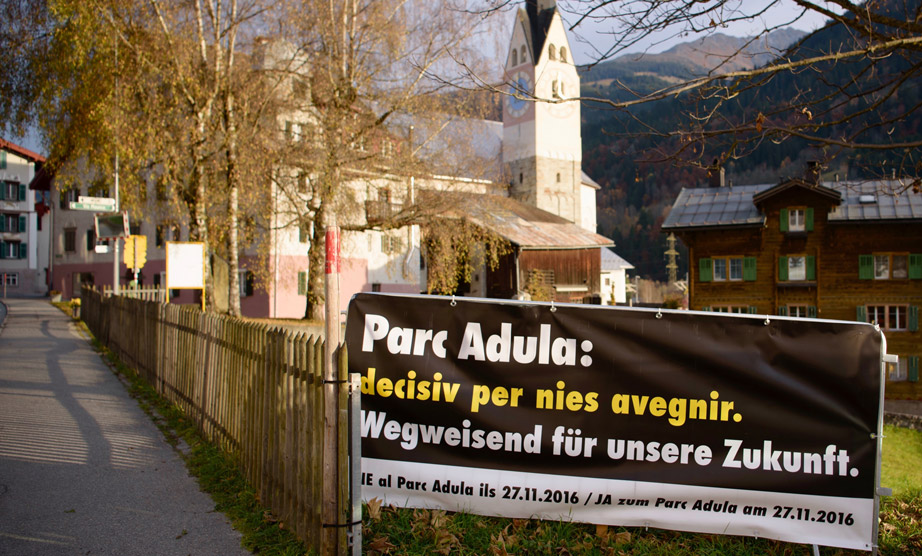
How can local populations be won over to protected areas?
A new SCNAT fact sheet - co-authored by Annina Michel from the Department of Geography - summarises the existing scientific findings on the acceptance of parks and protected areas, provides recommendations for practice and identifies research needs.
-
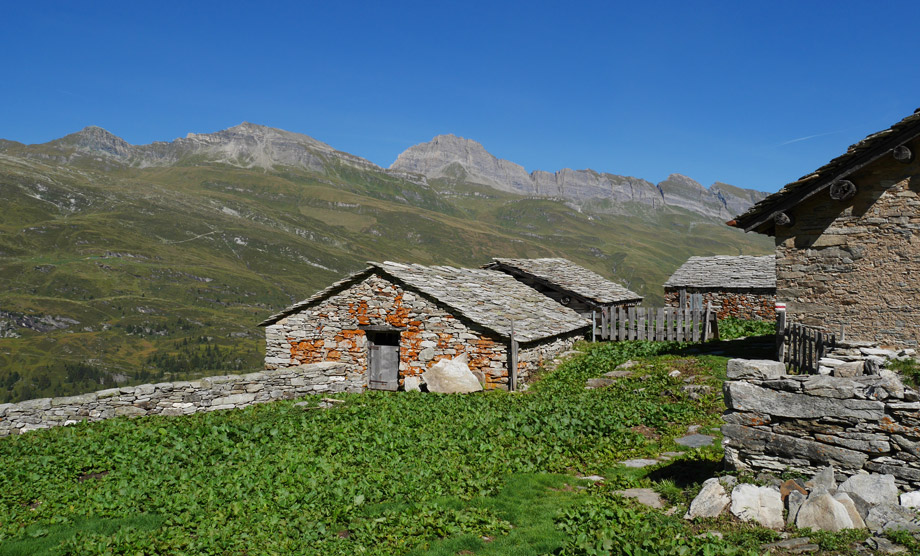
Warum Parc Adula gescheitert ist
Die Planung eines Naturschutzgebietes verlangt subtile Kommunikation. Welche im Fall des Projektes Parc Adula nicht gelang, wie eine ethnografische Analyse zeigt.
-
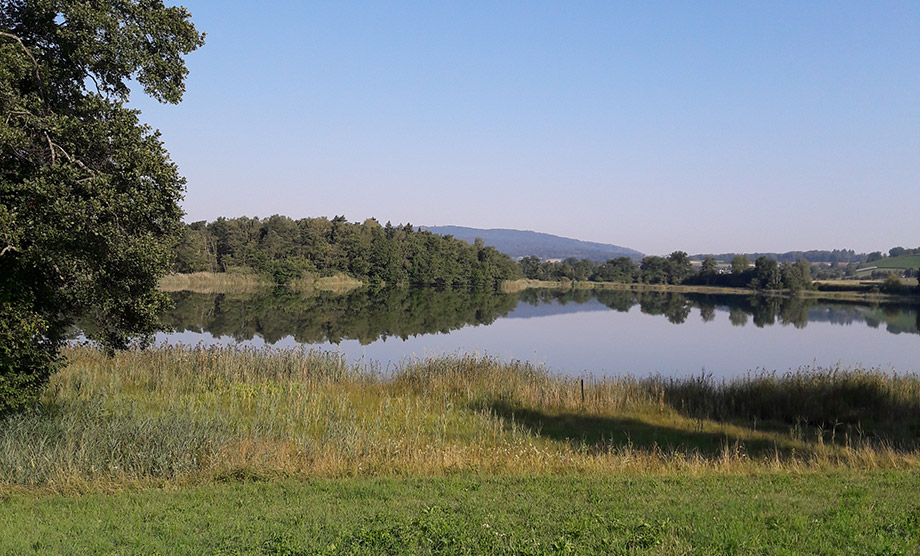
Universität studiert die Katzenseen
Forschende der Universitäten Zürich und Lausanne haben untersucht, welche Bedeutung Landschaften für das Wohlbefinden haben. Unter den fünf Studienobjekten sind auch die Katzenseen, Naherholungsgebiet am Stadtrand von Zürich.
-
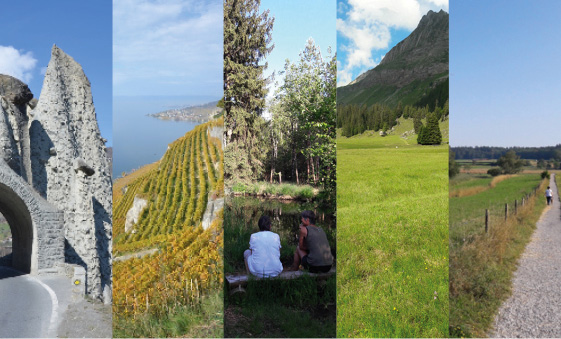
How landscapes contribute to our well-being
The impact of landscapes on human well-being is manifold: We appreciate the beauty, we feel we belong there, we can relax and promote our health. In five landscapes of national importance in Switzerland, researchers from the universities of Zurich and Lausanne assessed how landscape services are perceived.