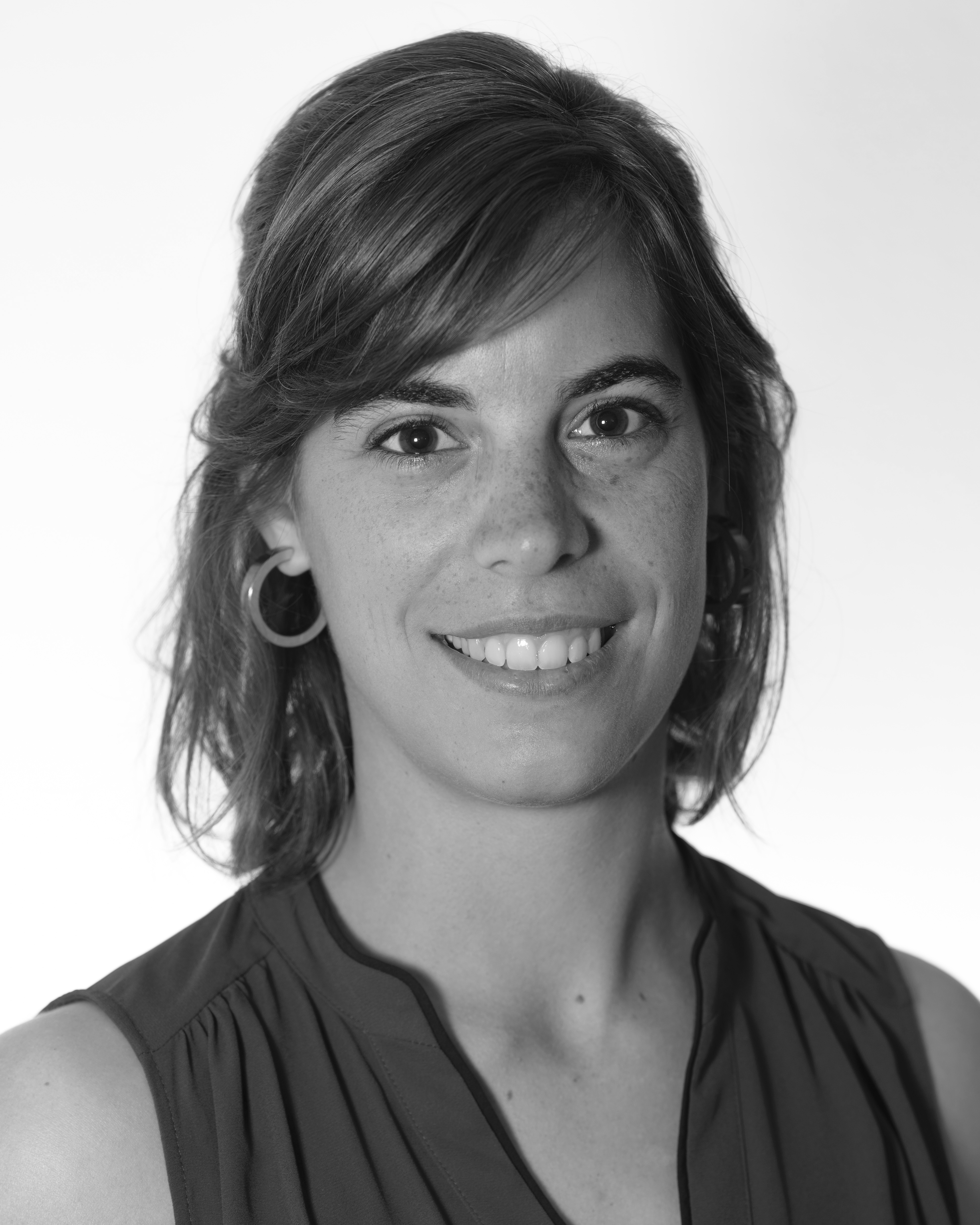
Former Scientific Staff:
PhD researcher in Labour Geography from 2018 to 2023
PhD project:
Living the Platform Economy: Exploring Digital Labour Geographies by Doing Autoethnographic Research
Project summary:
This PhD thesis studies how working in the place-based platform economy (re)shapes the working and lived realities of workers: how platforms shape workers’ experiences of the onboarding process, how platform workers in the care sector experience socio-spatial practices that are created by the platforms, and how platform work shapes the spatio-temporal rhythms of reproduction in the lives of workers. On a theoretical and conceptual level this thesis builds on feminist labour geography. Methodologically I adopt the method of autoethnography. The data is derived from fieldwork notes that I collected while working as a platform worker. The analysis reveals different aspects of the ways in which platforms maintain a powerful position to (re)shape platform workers’ working and lived realities. First, I argue that especially at the beginning of a platform worker’s career, access to gigs is characterised by myriad difficulties and provokes a wide range of emotions, for instance feelings of insecurity and self-doubt that arise from the difficulty of accessing gigs. Secondly, I show how platforms wield enormous power to shape the daily lives of a growing number of platform workers in today’s cities. Workers must respond immediately when a gig offer arrives, and the platform exercises subtle control (such as phone calls) whenever that expectation is not met. Workers are forced to navigate urban spaces at the rhythms demanded by the platforms. Thirdly, I argue that the platforms’ dictated rhythms have a major impact on reproductive rhythms of platform workers: they encourage a fragmentation of the working day into several units of paid and unpaid working time. Overall, platform workers experience insecurities, an unpredictability of everyday life, the pressure to be constantly available, and a deficit of recreation and social exchange.
Publications:
Keller Marisol & Stingl Isabella (2026). Machtvolle Rhythmen: Zum Einfluss digitaler Arbeitsvermittlungsplattformen auf die Krisen und Zeit-Räume der sozialen Reproduktion. In: López Tatiana, Premchander Saumya, Douch Michaela, Engelhardt Anne and Wenner Miriam (Hrsg.): Geographien der Arbeit. Neue Perspektiven aus Räumen der Re/Produktion. Cham: Springer Nature. DOI
Keller, M. (2024). Living the Platform Economy – Exploring Digital Labour Geographies by Doing Autoethnographic Research. (Dissertation, University of Zurich) DOI
Keller, Marisol (2023). Getting the first gig: Exploring the affective relations of accessing platform labour. In: Digital Society and Geography, 5, 1-9. DOI
Keller, Marisol (2022). „When Clean Angels Calls, I Run“: Working Conditions of a Gigified Care-Worker.In: Bauriedl, Sybille; Strüver, Anke (Eds.). Platformization of Urban Life: Towards a Technocapitalist Transformation of European Cities. Bielefeld: Transcript Verlag, 135-148. DOI
Schwiter, Karin; Nentwich, Julia; Keller, Marisol (2021). Male privilege revisited: how men in female‐dominated occupations notice and actively reframe privilege. Gender, Work and Organization, 28(6): 2199-2215. DOI
Keller, Marisol (2021). „Du bist ein Mann, du hast schon bessere Chancen.“ Wie junge Männer Privilegierung in geschlechtsuntypischen Berufen verhandeln. In: AG Transformation von Männlichkeiten; Baumgarten, Diana; Luterbach, Matthias; Peitz, Martina; Rabhi-Sidler, Sarah; Stiehler, Steve; Studer, Tobias; Thym, Anika (Hrsg.). Zeitdiagnose Männlichkeiten Schweiz. Zürich: Seismo, 175-195. DOI
Keller, Marisol; Schwiter, Karin (2021). Unsichtbar in der Gig Economy: Feministische Perspektiven und autoethnographische Methoden zur Erforschung der Gigifizierung von Care Arbeit. In: Feministisches Geo-Rundmail, 85:13-16. DOI
Schwiter, Karin; Keller, Marisol (2020). Die digitale Plattform als Chefin: Arbeiten für die Gig Economy. Frauenfragen, 42(1):88-91. DOI
Keller, Marisol (2020). «Ohne die App geht gar nichts»: Aus dem Alltag einer Batmaid Mitarbeiterin. Frauenfragen, 42(1):92-94. DOI
Bauer, Itta; Keller, Marisol (2018). „Opening up spaces for thought“: Konstruktiver Dialog zwischen Geographie und Geographiedidaktik am Beispiel Kinder- und Jugendgeographien. In: OpenSpaces. Zeitschrift für Didaktiken der Geographie. DOI