Landscape and
Climate Change
Genomics
In the Landscape and Climate Change Genomics group, we investigate
the impacts of global change on biodiversity by combining Earth Observations
with genomics.
Satellite earth observations allow us to monitor
environmental stressors across diverse ecosystems worldwide.
Through genomics, we assess the lasting impact these stressors have
on wild and domesticated species.
Our team develops computational tools to facilitate the monitoring of genetic
diversity in species facing global change. These tools can be applied globally
to assess extinction risks across various ecosystems, from Swiss forests to
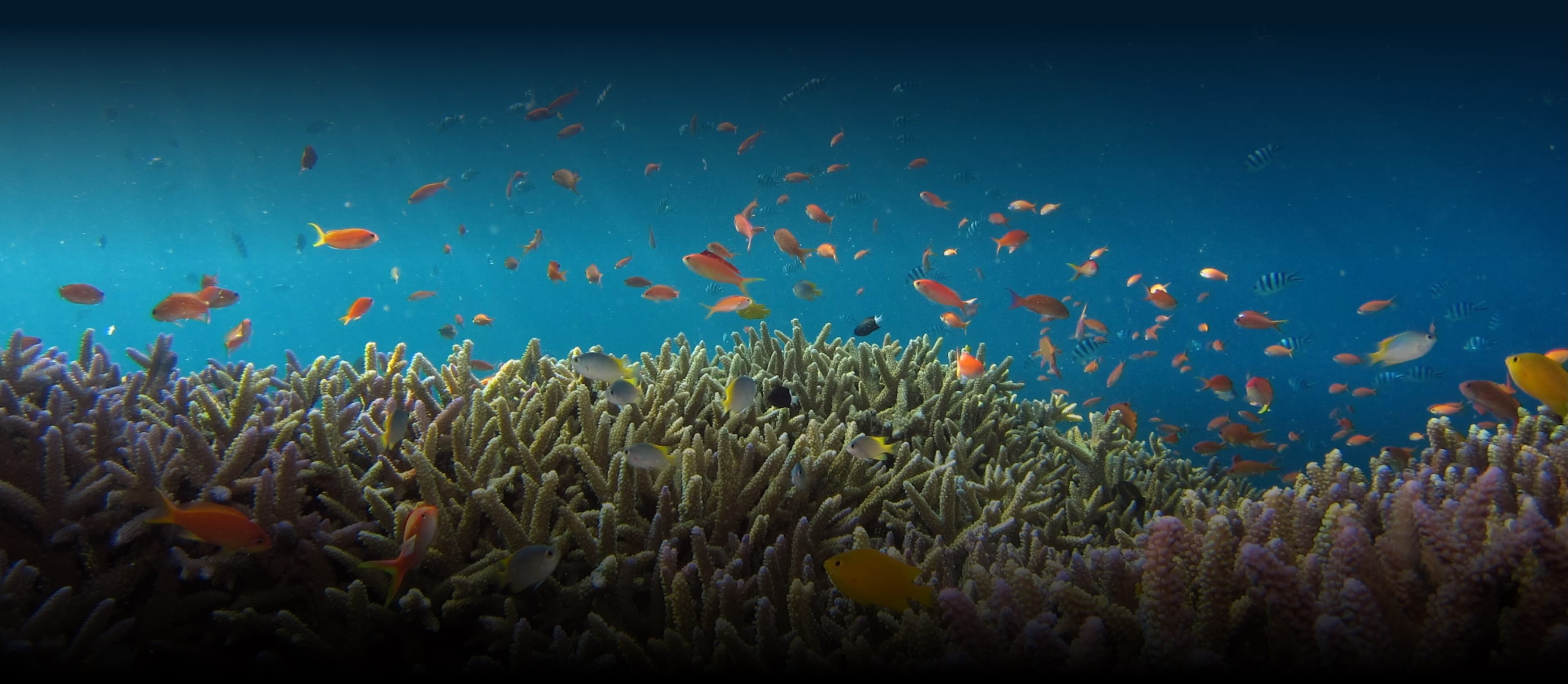
oceanic coral reefs.
We are also interested in discovering genetic traits that help species adapt
to climate change, such as genes enabling agricultural crops to withstand drier climates.
Current projects
genEOcean: Earth Observation to empower genetic diversity monitoring in our oceans
(Living Planet Fellowship from the European Space Agency)
A macrogenetic outlook on crop climate adaptation (Spark grant from the Swiss National Science Foundation)
Can genetic diversity in the oceans be monitored from space? (Postdoc Grant from UZH)
Genes from Space: Leveraging Earth Observations to support genetic diversity monitoring.
The team
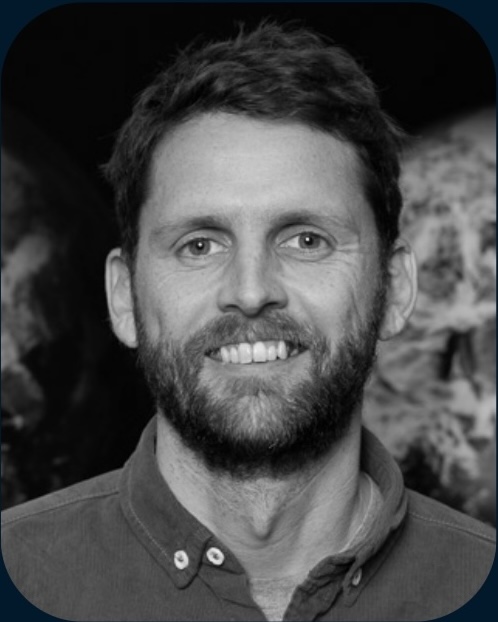
Dr. Oliver Selmoni (Group Leader)
Oliver's research combines satellite observations and genomic analyses to investigate the impact of climate change on biodiversity.

Mario's research focuses on crop wild relatives. Integrating satellite observation and genomic data, Mario investigates how these crops can persist under extreme climatic conditions, such as recurrent droughts.

Simon investigates how genetic diversity can protect corals reefs from decline in a warming ocean. He is also contributing to the development of the "Genes from Space" monitoring tool.
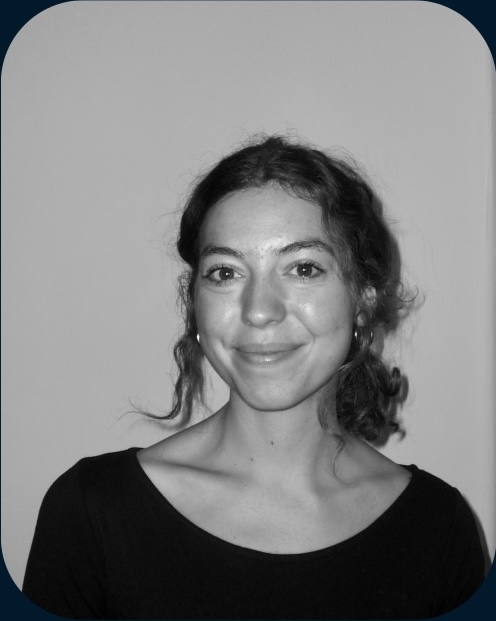
Sophie’s research explores the status of marine biodiversity, leveraging satellite observations to track trends in the population sizes of marine vertebrates.

Naroa's research on coral reef fish uses integrated satellite and genomic data to identify genetic adaptation signatures, providing insight into how fish populations are responding to global change stressors.

William’s research focuses on optimizing the monitoring of genetic diversity in wild species through demographic simulations in combination with satellite habitat detections
Former collaborators:
- Francesco Nocera (student assistant)
Interested in joining us?
We welcome students to join us for bachelor's and master's theses or research internships. Feel free to contact us at:
Below is a list of currently open MSc thesis proposals. We’re also happy to discuss new topics that align with your interests and our group’s vision.
Do species have the potential to adapt to global change?
Can we predict the future of biodiversity in a changing climate?
Empowering ocean species conservation with satellite and genomic data
Exploring the genomes of wild crops for sustainable and resilient agriculture
The Landscape and Climate Change Genomics group is part of the
Spatial Genetics of Ecosystems laboratory.