ESA Mission to explore understory biodiversity
The HiBiDiS mission aims to provide new insights into forest understory biodiversity, answering key questions about its composition, the state of ecosystems, the global carbon cycle and climate change. UZH is participating in the mission as a scientific partner.
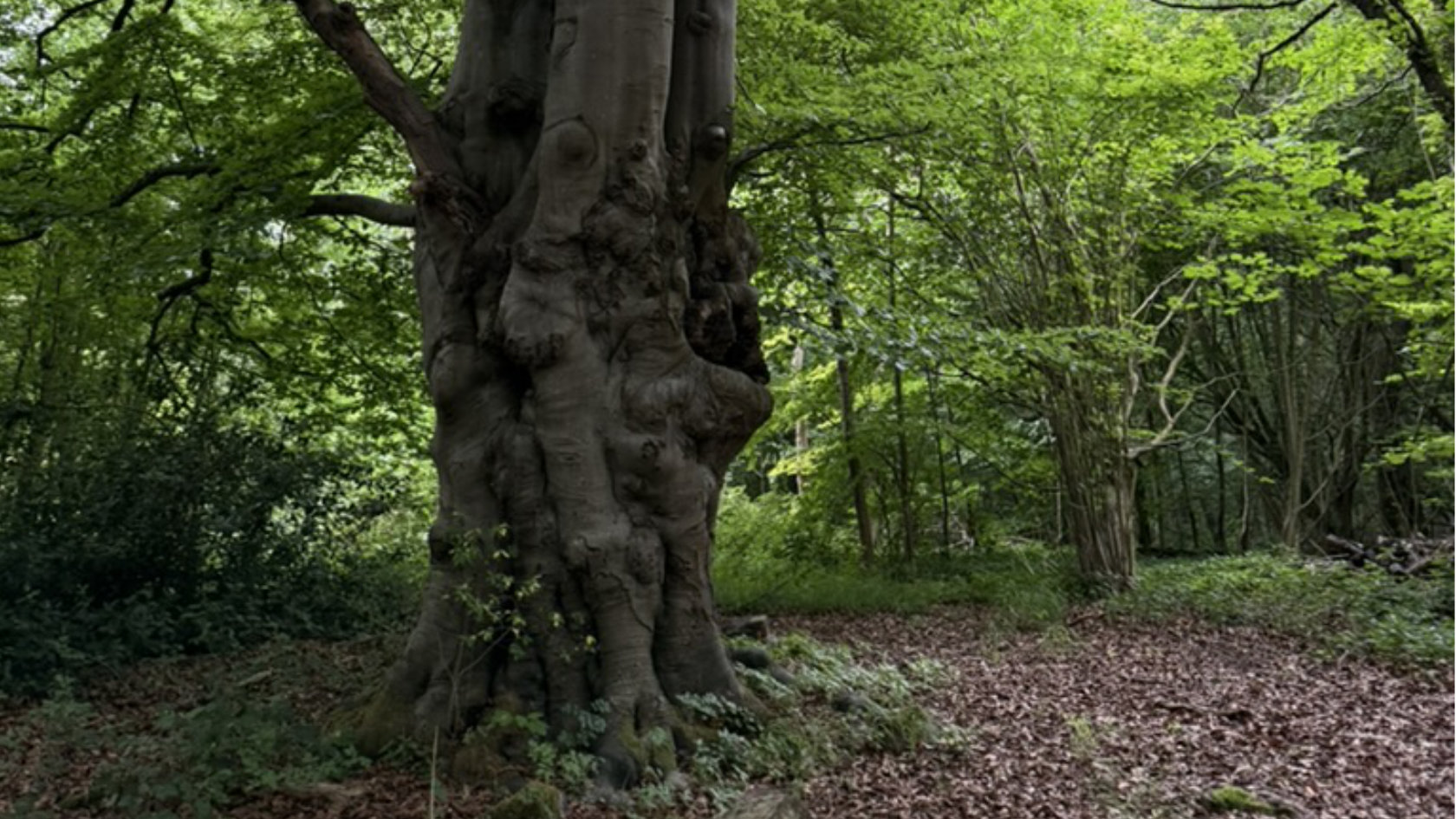
Remote sensing satellites have become an important tool for capturing and understanding large-scale biodiversity processes. However, current space-based observations primarily focus on the canopy layer, leaving processes in the forest understory largely invisible. The understory plays a crucial role in forests. It harbors a large portion of plant diversity and contains young trees for future forest development. Additionally, it provides habitat for numerous animal species. Furthermore, the understory significantly contributes to CO2 storage and influences the resilience of forests to droughts and wildfires.
From the canopy to the forest floor
The HiBiDiS (Hyperspectral Biodiversity Scout) mission, which was approved by the ESA last week, addresses this issue. The satellite sensor will capture the Earth’s surface from three different perspectives. For the first time, this will allow a distinction to be made between the tree canopy and the understory. The goal is to improve our understanding of biodiversity and how forest ecosystems function – particularly in regions with high biodiversity.
The University of Zurich (UZH) is an academic partner in an international consortium with three industry and research partners: Sitael, an Italian aerospace company serving as the prime contractor; AMOS, a Belgian company providing the hyperspectral instrument; and VITO, a Belgian research institution.
The UZH research team from the Earth System Science Group in the Department of Geography will leverage its extensive experience in remote sensing of biodiversity to address scientific questions, simulate, and validate the data collected by HiBiDiS. The team will also investigate how the new data can be used to better understand processes in the forest understory by taking a holistic view of the forest – from the canopy to the forest floor.
UZH expertise in the international ESA consortium
“Especially in temperate forests like those in Switzerland, a large proportion of the floral diversity is found in the understory. With HiBiDiS, we have for the first time an exciting opportunity to observe biodiversity and ecosystem processes under the forest canopy globally and systematically,” says Maria J. Santos, a professor of earth system science at UZH and the scientific lead of the ESA mission. “This knowledge is crucial for a better understanding of understory biodiversity, and how its functions enable ecosystems to respond to climate change and human intervention.”
The ESA Scout missions are science missions, characterized by an agile and comparatively cost-effective development approach. They combine scientific innovation with new Earth observation technologies. After a ten-month evaluation process ESA selected the HiBiDiS project to complement its existing Scout fleet.