Understanding biodiversity in a global hotspot
NASA's first biodiversity-focused project aimed at measuring, mapping and understanding the unique biodiversity of the Greater Cape Floristic Region in South Africa. Maria J. Santos and Andreas Hueni were part of the large international cooperation within “BioSCape” and collected data of plant functioning under varying sky conditions. In recognition of this exceptional collaboration, the BioSCape team was awarded the prestigious NASA Group Achievement Award.
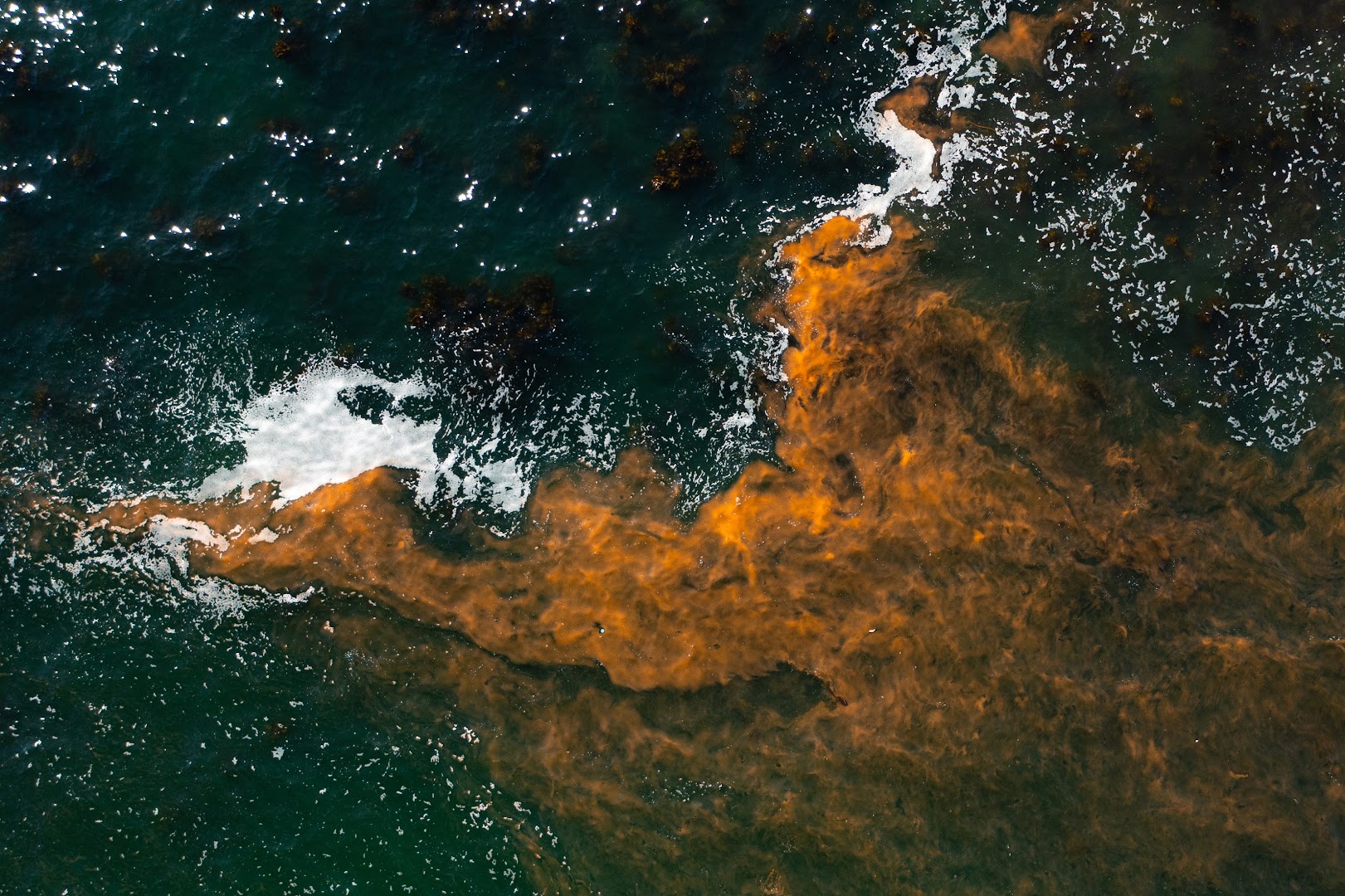
The Biodiversity Survey of the Cape (BioSCape) is a research project that uses remote sensing and field data to understand the distribution, function, and importance of biodiversity on land and in the water in the Greater Cape Floristic Region, one of the world’s 36 biodiversity hotspots.
BioSCape brought together over 150 scientists from more than 40 institutions, including government agencies, universities, and NGOs. The University of Zurich participated in this project: Prof. Dr. Maria J. Santos and Dr. Andreas Hueni collected data on how plants function under varying sky conditions across the diverse Mediterranean-type ecosystems of the Cape.
These results enable us to assess how photosynthesis relates to cloud severity, which tells us more about photosynthesis and may explain ecological processes behind the biodiversity of the region.
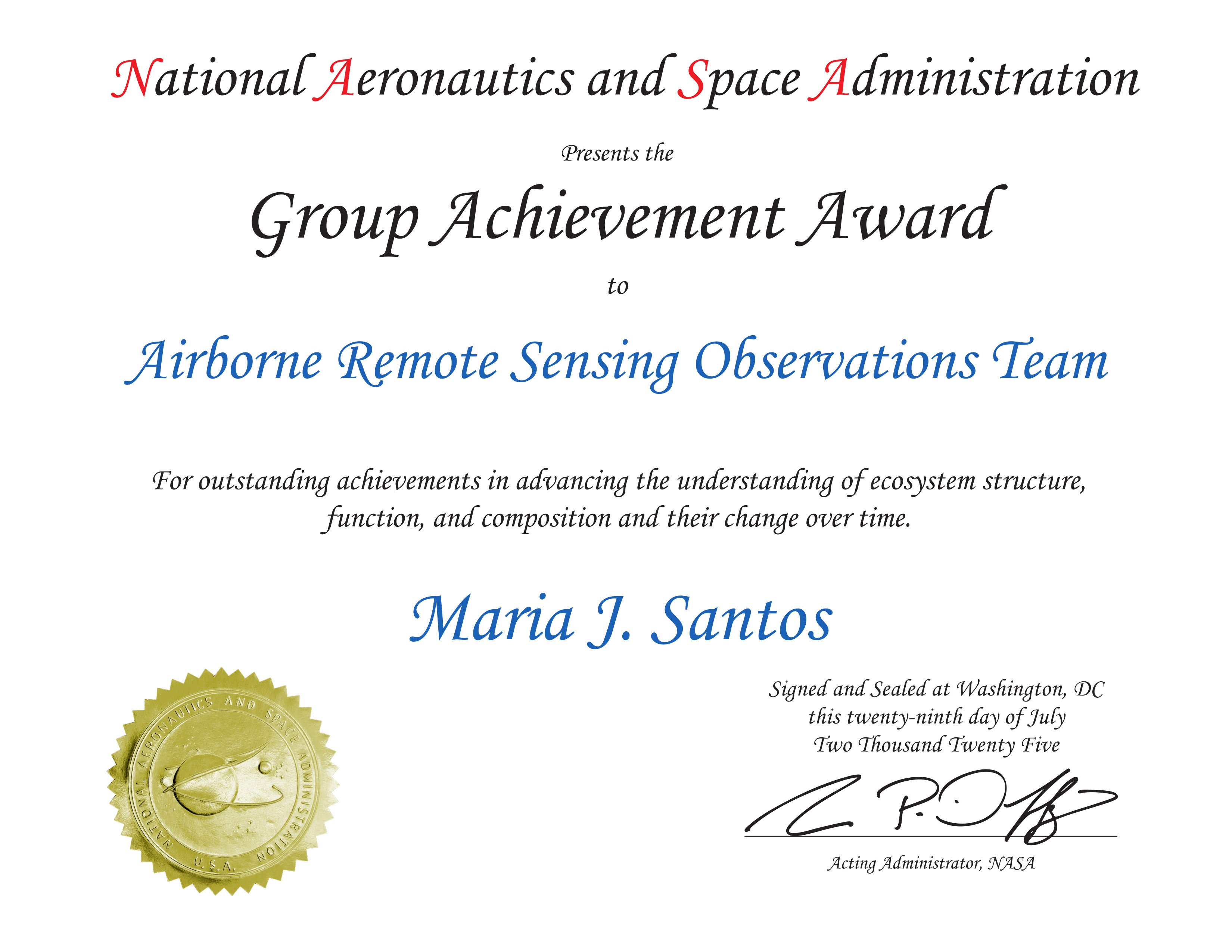
NASA Group Achievement Award
In recognition of its exceptional contributions, the BioSCape team was awarded the prestigious NASA Group Achievement Award. This honor is one of NASA’s highest accolades for a team and awarded only to those who have made exceptional contributions to NASA’s mission and scientific endeavors. This recognition reflects the hard work, dedication and remarkable accomplishments of the entire BioSCape team.
Explore the BioSCape project
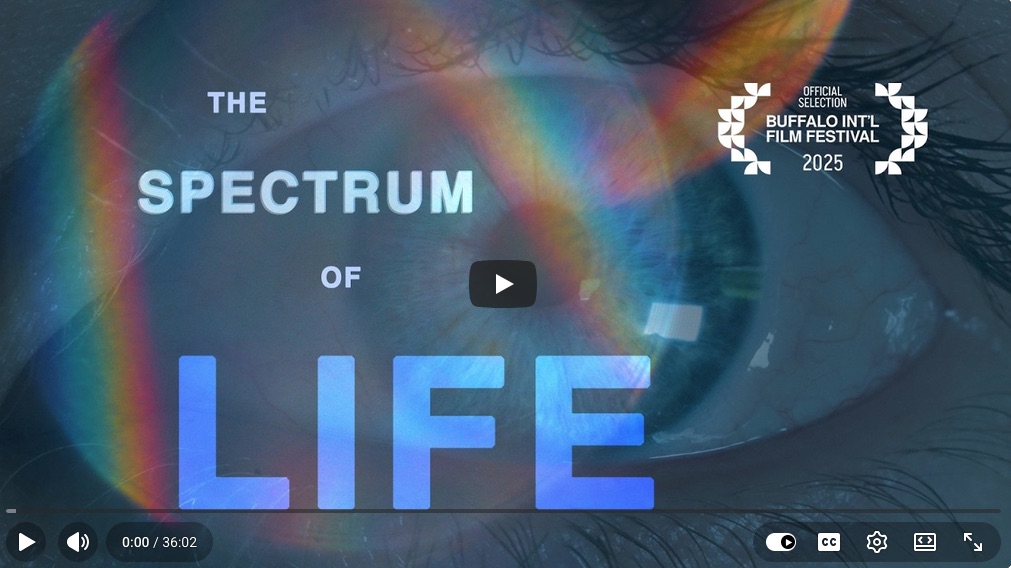
The film “The Spectrum of Life” documents the BioSCape project. It features interviews with international scientists and engineers that explore how NASA’s latest remote sensing technology has the potential to revolutionise how we measure, monitor and conserve ecosystems around the world, as well as offering a new lens on the life that surrounds us.
Title image: Otto Whitehead, BioSCape