NextGenCarbon
Why this project matters
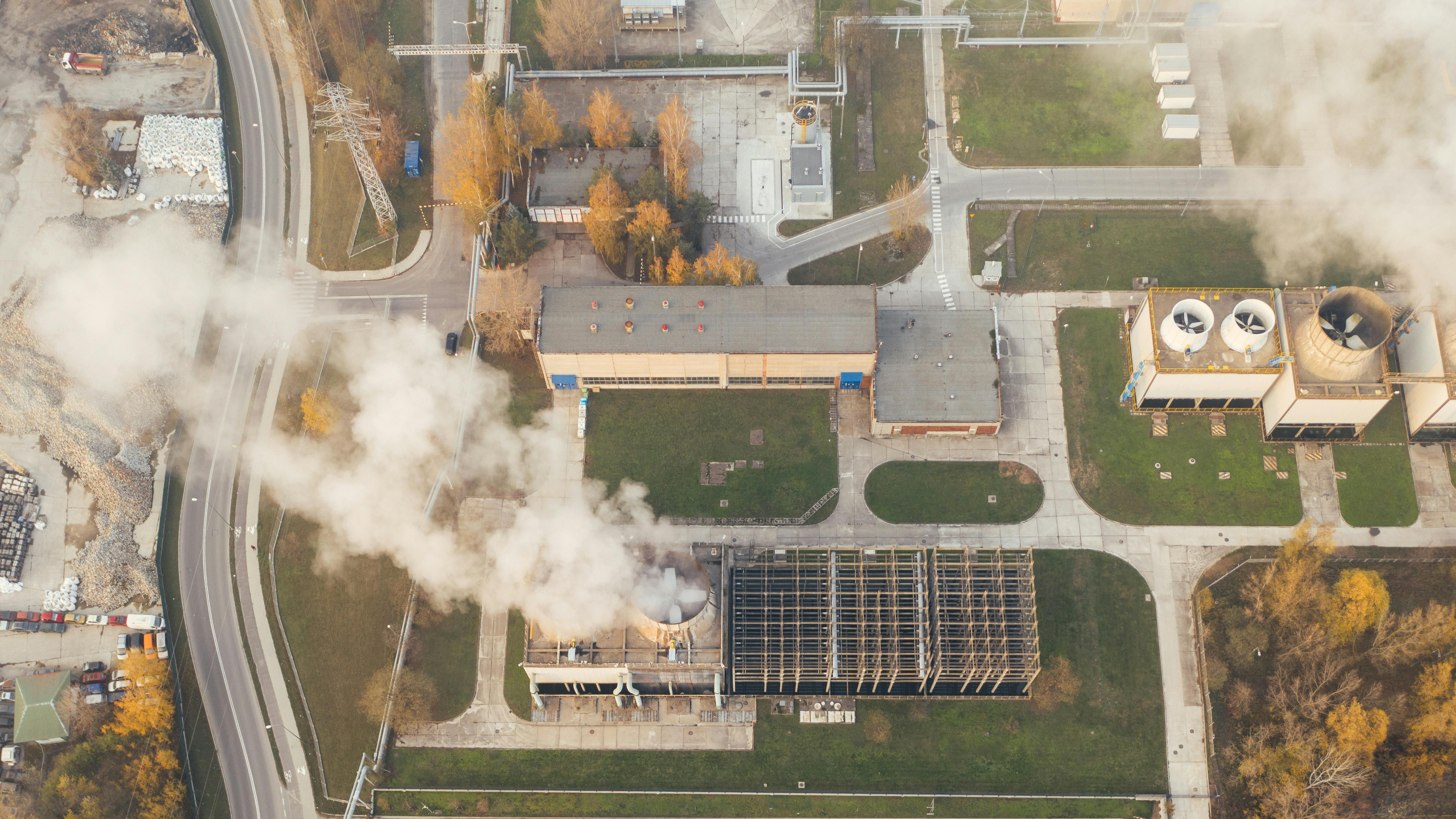
Greenhouse gases (GHGs) are substantially contributing to global warming. Gases such as carbon dioxide and methane trap heat within the Earth’s climate system, which intensifies the greenhouse effect. As a result, global temperatures are rising, with noticeable consequences: rising sea levels and melting glaciers are among the most dramatic effects.
The European Union has set a target of reducing greenhouse gas emissions by 55% by 2020. Understanding how GHGs are emitted, absorbed, and exchanged between the atmosphere and ecosystems is essential to achieve this goal.
The goals
Despite major advances in climate science in the past decades, significant challenges remain in consistently modelling carbon fluxes and tracking their evolution across diverse ecosystems. To address these gaps, the project develops advanced carbon modelling solutions, integrates Earth observation data, and applies machine learning to improve data analysis.
Based on this approach, the project aims to provide robust data that will assist in the development of policies enabling the EU to achieve its carbon neutrality targets. The data will also offer support for land managers to make informed decisions for carbon-neutral land management.
Project partners from 22 European countries are working on the project.
Our contribution
We contribute to the project with our expertise in remote sensing. Our Swiss-based research infrastructure supports the project with data from multiple sites. The GNSS sensors installed at these locations measure vegetation optical depth, which helps to improve the understanding of changes in forest canopy water content and ecosystem water dynamics. These data can be integrated into climate modelling frameworks developed within the project.
Project overview
Funding
Swiss State Secretariat for Education, Research and Innovation (SERI) in frame of the European Union project NextGenCarbon (grant number 101184989)
Time frame
2025 - 2029
Contact
Project members
Project website
Project partners
Cicero – Senter for klimaforskning
ETH Zürich
Gamma Remote sensing
Helmholtz Centre for Geosciences
International Institute for Applied Systems Analysis
Karlsruhe Institute for Technology
Ludwigs Universität München
Max-Planck-Institut für Biochemie
Natural Resources Institute Finland
Potsdam Institute for Climate Impact Research
SP – Science Partners
Swedish University of Agricultural Sciences
University of Antwerp
Univerista di Bologna
University of Exeter
Universita di Firenze
Universität Leipzig
Universite Paris-Saclay
Universität Zürich
Vrije Universiteit Amsterdam
Wageningen University & Research