Launch of the FLEX Mission
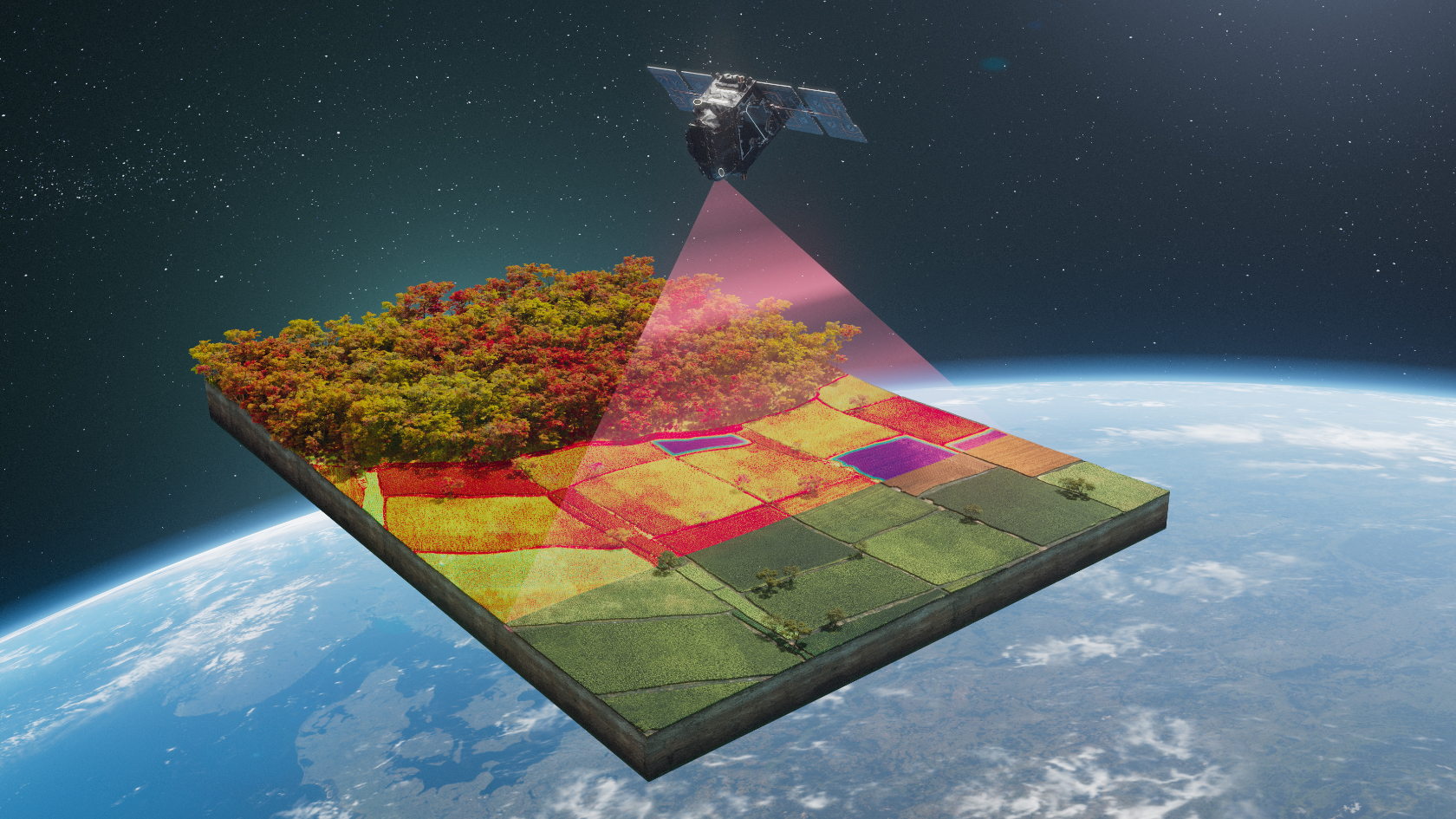
The ESA FLEX mission opens up new possibilities for observing plant activity on Earth. FLEX measures the faint fluorescence emitted by plants during photosynthesis. These measurements provide information on plant health that is difficult to obtain from conventional satellite observations.
FLEX can also observe fluorescence from phytoplankton in aquatic environments. This could provide new insights into phytoplankton activity and changes in aquatic ecosystems.
For our group leader Alexander Damm, the launch is also a personal milestone. His work on FLEX began as early as 2007 with the CEFLES-2 campaign. Since then, he has contributed to numerous studies, workshops, and measurement campaigns in preparation for the mission. “After nearly 20 years of involvement in the preparations for the FLEX mission, it is a very special moment to actually see the satellite launch,” says Alexander Damm.
A detailed article from the University of Zurich explains what sets FLEX apart from previous Earth observation missions and what scientific questions it can help answer: Measuring Plant Stress - From Space (UZH News, 15.12.2026).