Featured Papers
-
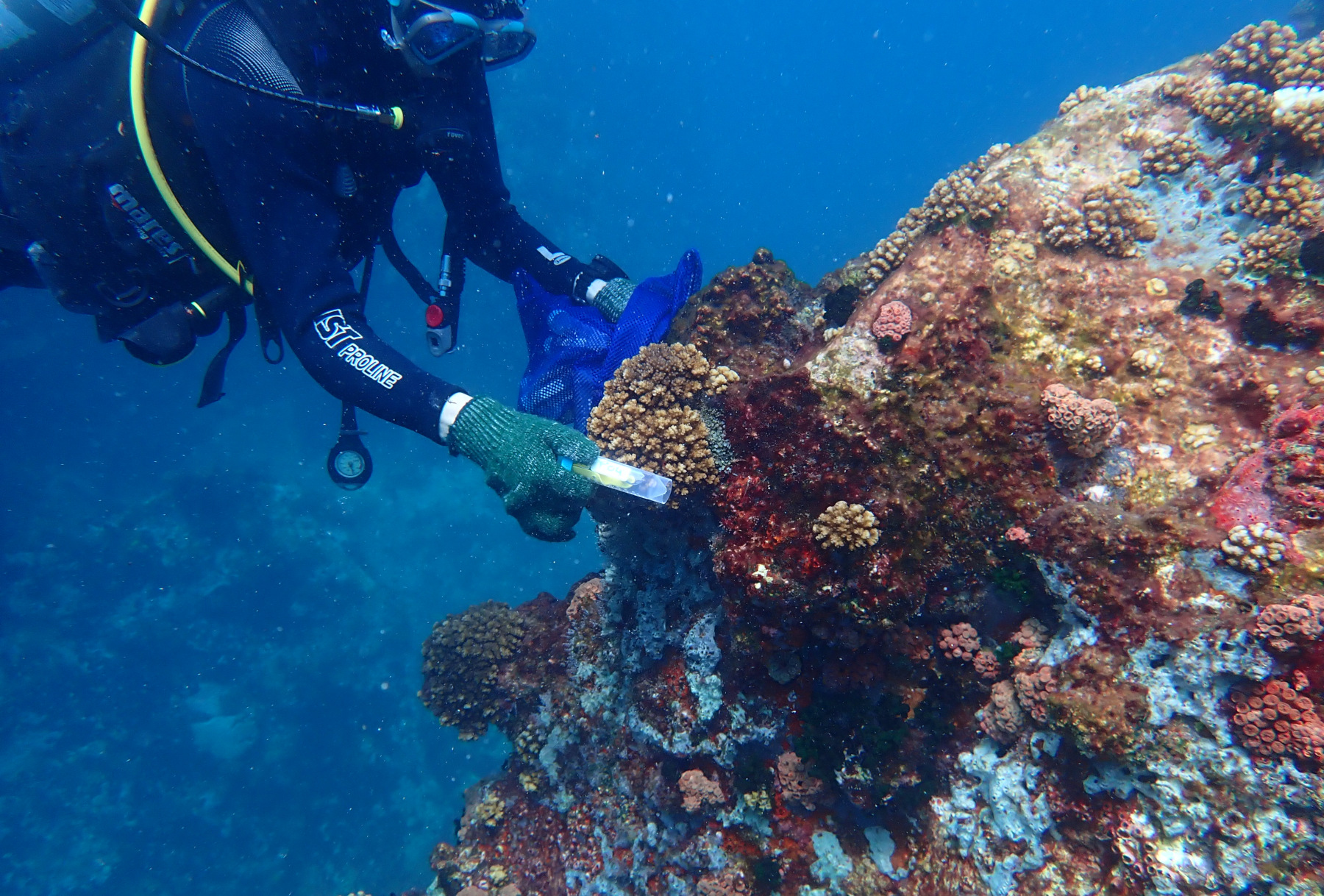
Satellites and genomics to support coral reef conservation in the warming Indian Ocean
Tropical coral reefs are hotspots of biodiversity, but they are suffering severe degradation due to anomalous heatwaves. A recent study combined satellite observation of ocean conditions with genomic analyses of reef-building corals in the Western Indian Ocean region. This analysis pinpointed reefs likely to host heat-tolerant corals, and mapped their natural larval dispersal via sea currents across more than 1,000 km of open ocean.
-

Climate change in mountains has far-reaching impacts downstream
Mountains are the world’s “water towers” and disproportionally affected by climate change. Substantial research focuses on snow and glacier changes within mountains. A comprehensive perspective published in Nature Climate Change now highlights the cascading downstream effects on water supply, ecosystems and human activities – and shows that decisions and pressures downstream can feed back to influence mountain hydrology.
-
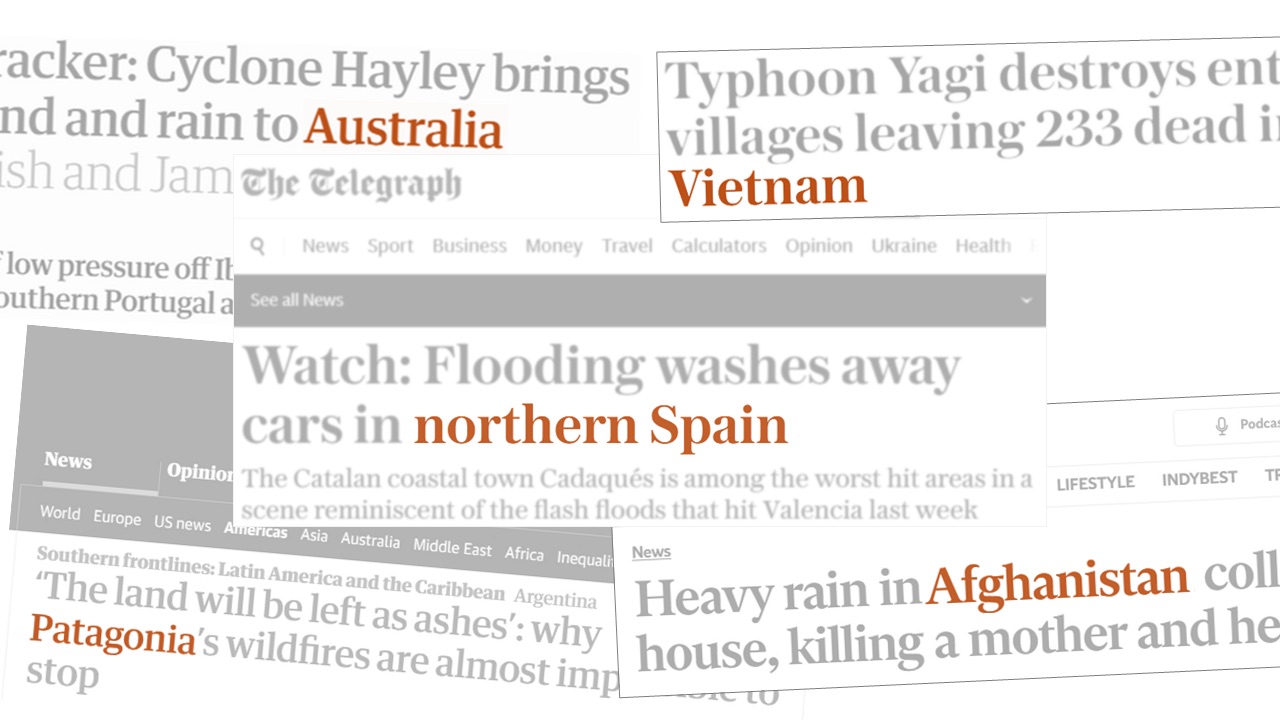
The hidden geography of climate news: media reporting correlates with wealth more than disaster events
Climate change and its impacts are global pressing issues, but not all climate disasters receive equal attention in the media. A recent study systematically analyzes reporting by British newspapers since 2000, revealing pronounced geographic biases in coverage. The findings raise important questions about the media’s role in shaping public awareness and the implications for global climate justice.
-
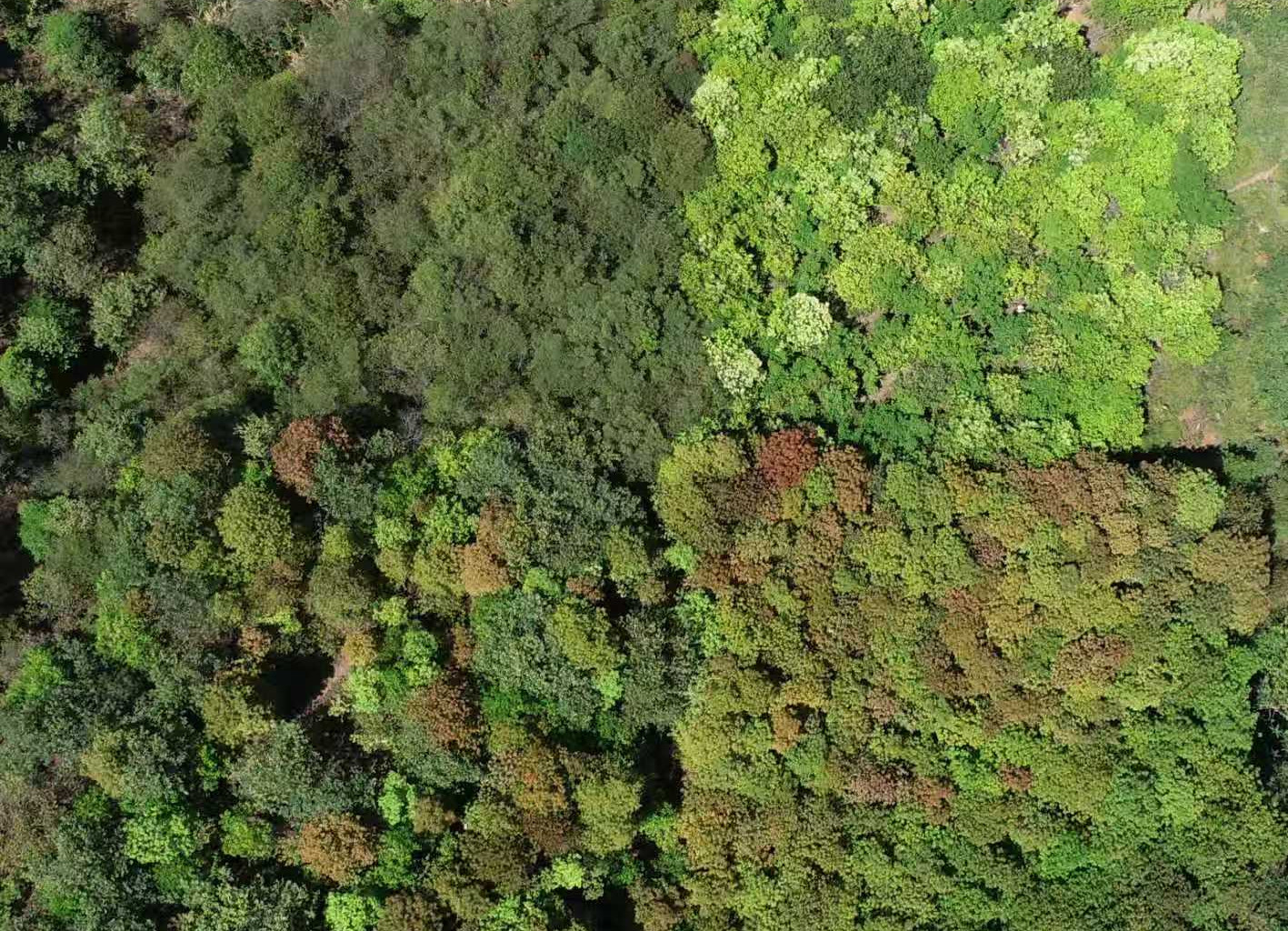
Diverse forests make complementary use of canopy space and produce more biomass
Forests with a large diversity of tree species produce more aboveground biomass because different types of trees can more effectively share the canopy space. And these positive effects even strengthen over time, as a study recently published in PNAS shows.
-
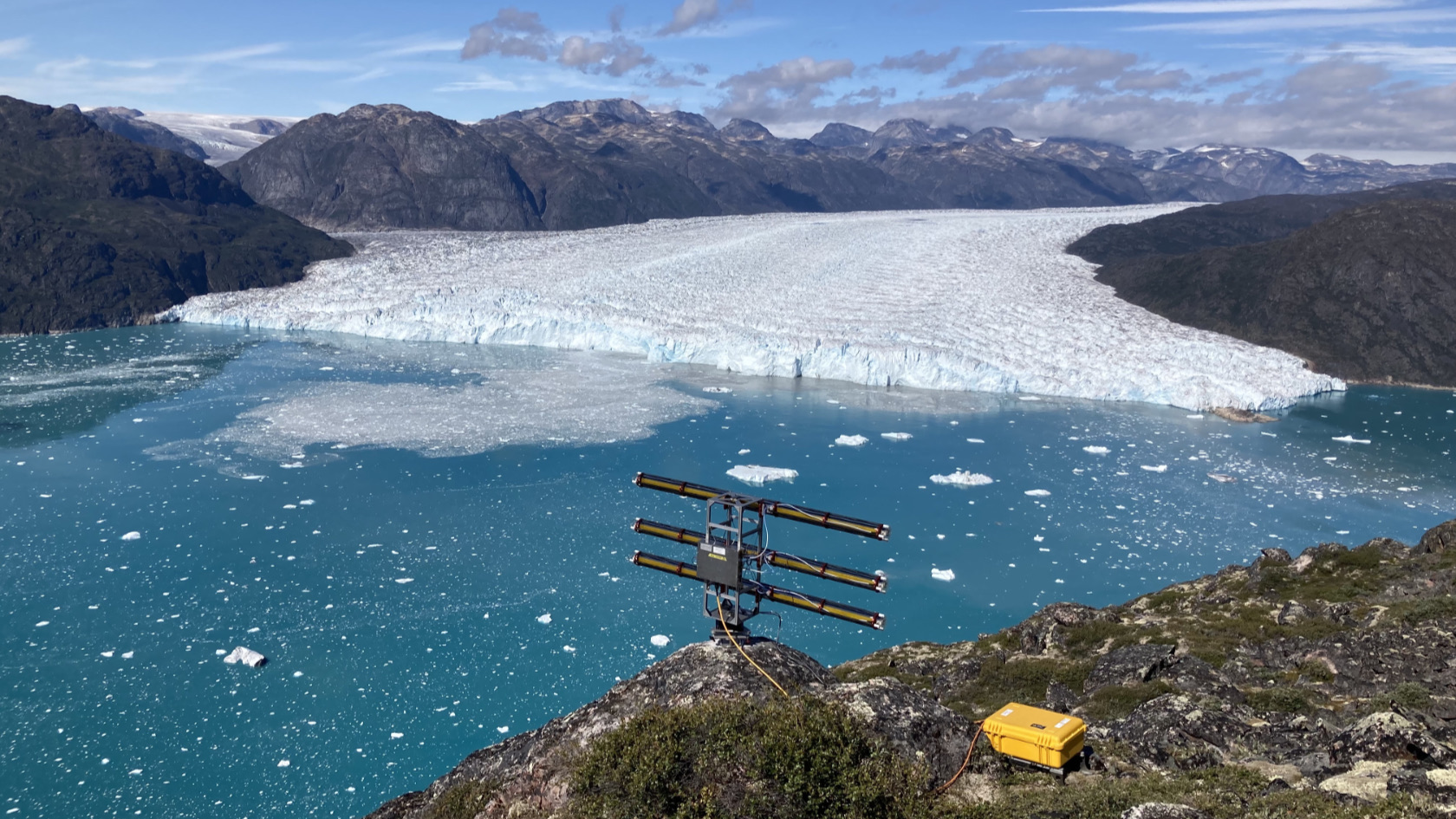
Falling Ice Drives Glacial Retreat in Greenland
When an iceberg calves, huge chunks of ice break off at the end of the glacier. These trigger high waves on the surface and underwater, pushing warmer sea water upwards. This accelerates the melting of the ice masses, as glaciologists from GIUZ have shown in collaboration with an international research team.
-

Fig trees convert atmospheric CO₂ to stone
Some fig trees can convert surprisingly large amounts of carbon dioxide into calcium carbonate, ensuring that the carbon remains in the soil long after the tree has died. This means that fig trees planted for forestry or their fruit could offer additional climate benefits through this carbon-sequestration process.
-
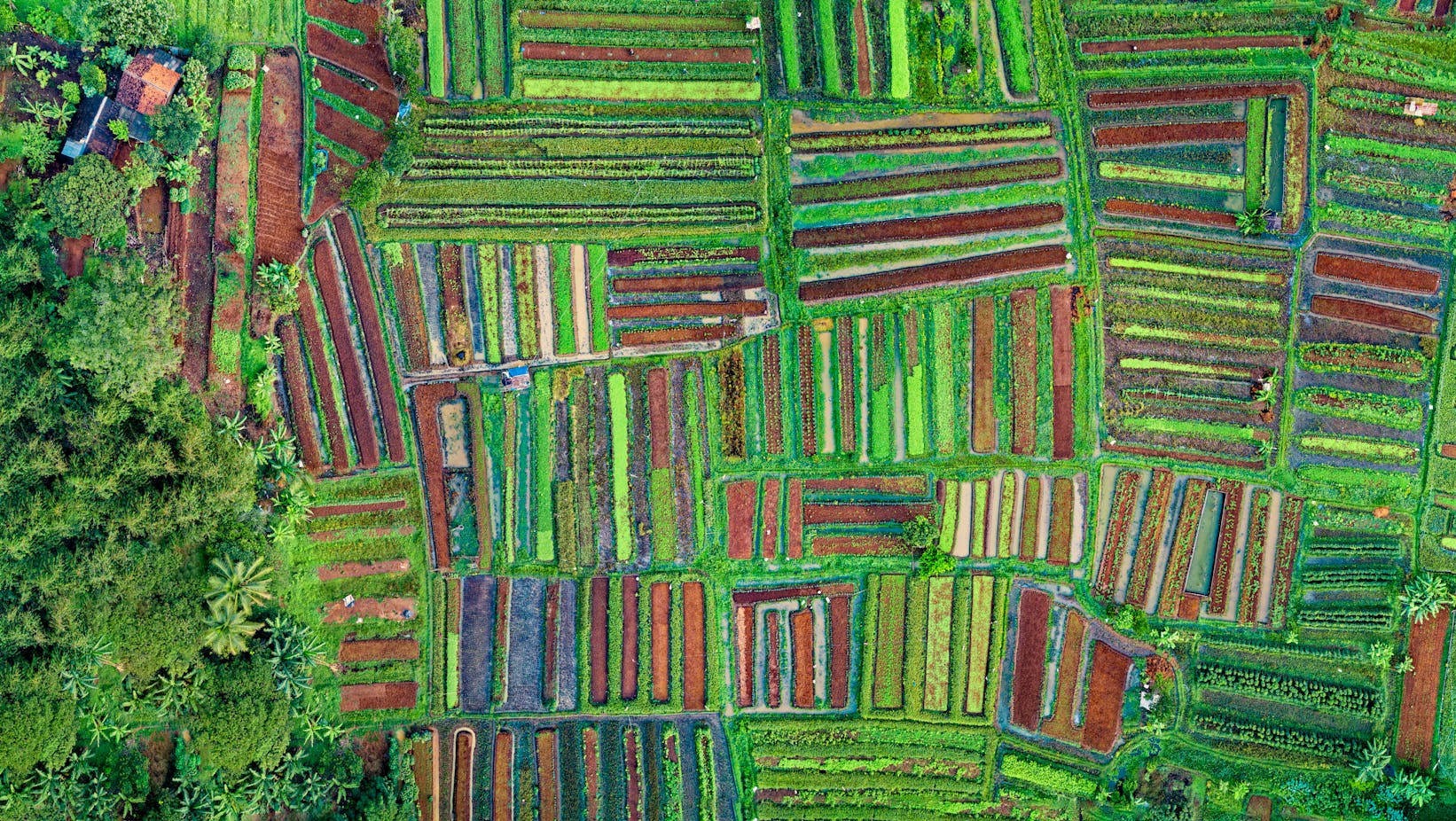
Rising temperatures jeopardise the world's critical food crops
Global food security could be severely affected by a marked decline in crop diversity due to future changes in temperature, precipitation and drought, according to a study recently published in Nature Food and co-authored by GIUZ.
-
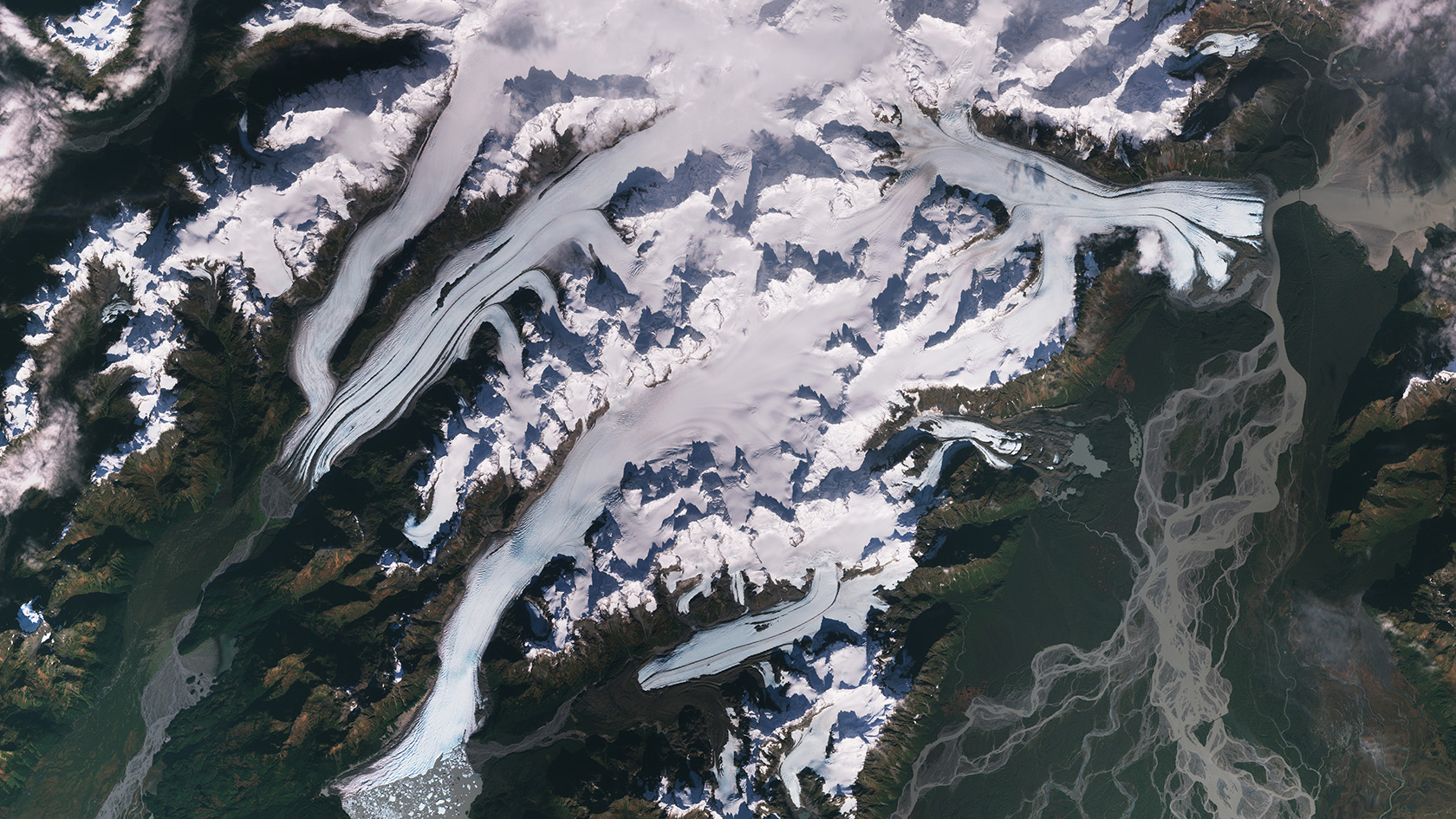
Melting Glaciers Increase Loss of Freshwater Resources and Rise Global Sea Levels
The melting ice from glaciers worldwide is leading to an increased loss of regional freshwater resources. And it is causing global sea levels to rise at ever-greater rates. Since the year 2000, glaciers have been losing 273 billion tons of ice annually, according to estimates by an international research community led by researchers of the University of Zurich.
-
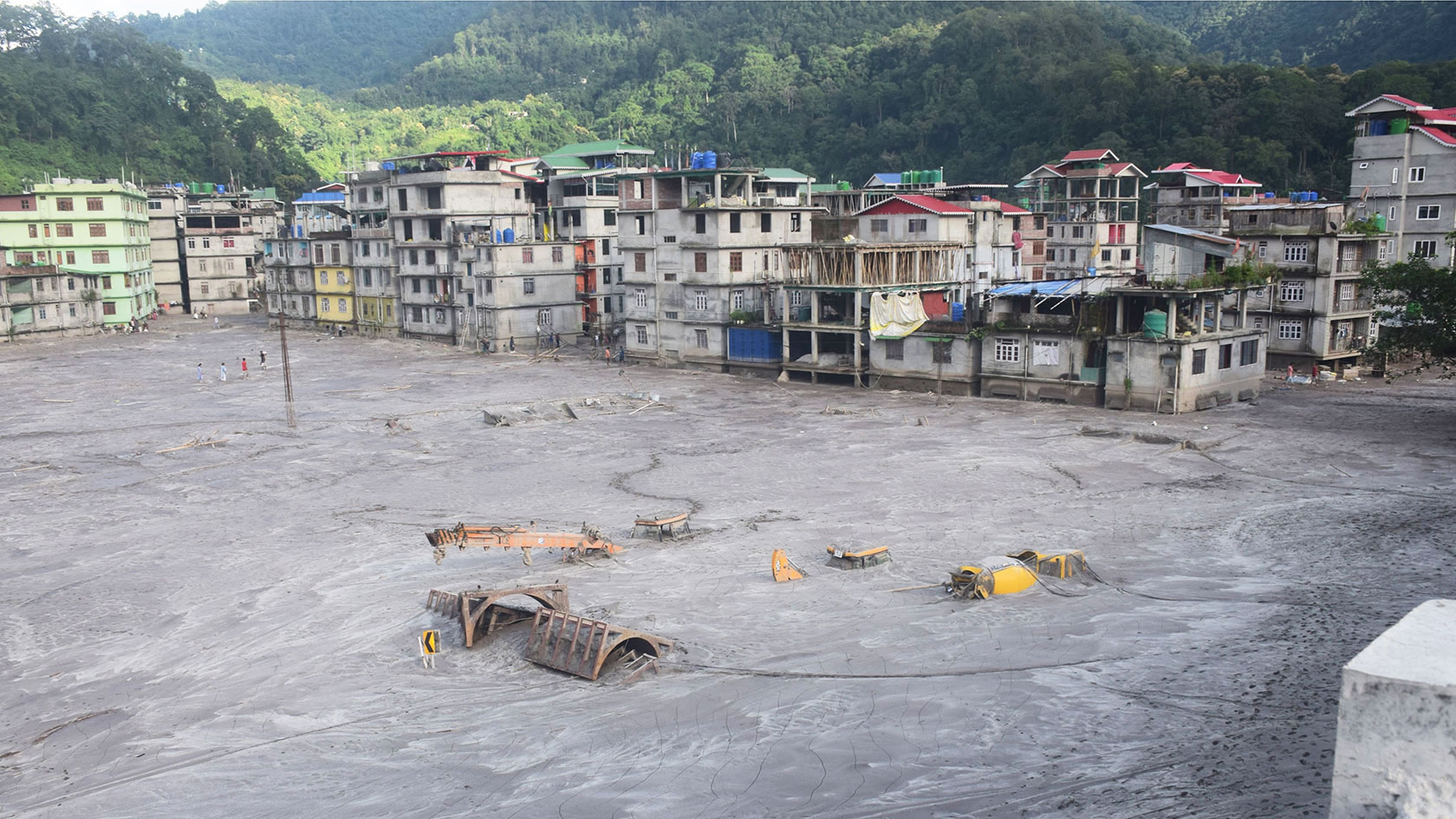
Climate Change Increases Risk of Successive Natural Hazards in the Himalayas
An international research team has concluded that the Sikkim flood disaster in the Himalayas in October 2023 was caused by some 14.7 million cubic meters of frozen moraine material collapsing into South Lhonak Lake, triggering a 20-meter flood wave. The event is a striking example of the increasing dangers of climate change in high mountain regions.
-

High altitude dilemmas: Reducing air travel emissions in academia
Academic air travel contributes significantly to universities' greenhouse gas emissions. A study evaluated five air travel reduction measures while also considering the willingness of academic staff at the Department of Geography to embrace these changes.