DE | Research | Research

Webpark - the result

Webpark - System testing

Movement analysis

Movement analysis

Digital Terrain Modeling - 3D Curvature

Digital Terrain Modeling - 3D Valleyness

Modeling inprecise regions: "Zurich City" with Flickr tags

Vernacular geographic regions, an example of Swiss "Mittelland"

Research

Our research focuses on the development of fundamental methods and techniques in Geographic Information Science, as well as their application in the environment and especially in protected areas. This research is carried out within three research groups. The first of these groups, Digital Cartography and Mobile Systems focuses on methods for the automated generalization of spatial data and the development of innovative techniques within mobile information services. The second group, Digital Terrain Modeling specializes in research on the impacts of topographic uncertainty, methods to extract and represent semantics from terrain data and the emerging field of Geographic Information Retrieval. The third and final research group, Environmental Geoinformatics focuses on the domains of GIS for wild animals and protected areas. Within this group research on the spatio-temporal analysis of moving point data is forming an increasingly important focus. Research projects in the GIS unit receive funding from the Swiss National Science Foundation, the European Commission, the European COST program, the federal CTI technology transfer program, as well as charitable foundations.

Full project list from the UZH research database: http://www.research-projects.uzh.ch/a20.htm


Digital Cartography and Mobile Systems

GIS are evolving all the time, but maps and map-like visualizations are still the dominant form of communicating geographic information to users of GIS, even in the days of online mapping services and mobile, ubiquitous computing, and the years to come. Work in this group therefore focuses on two main issues.

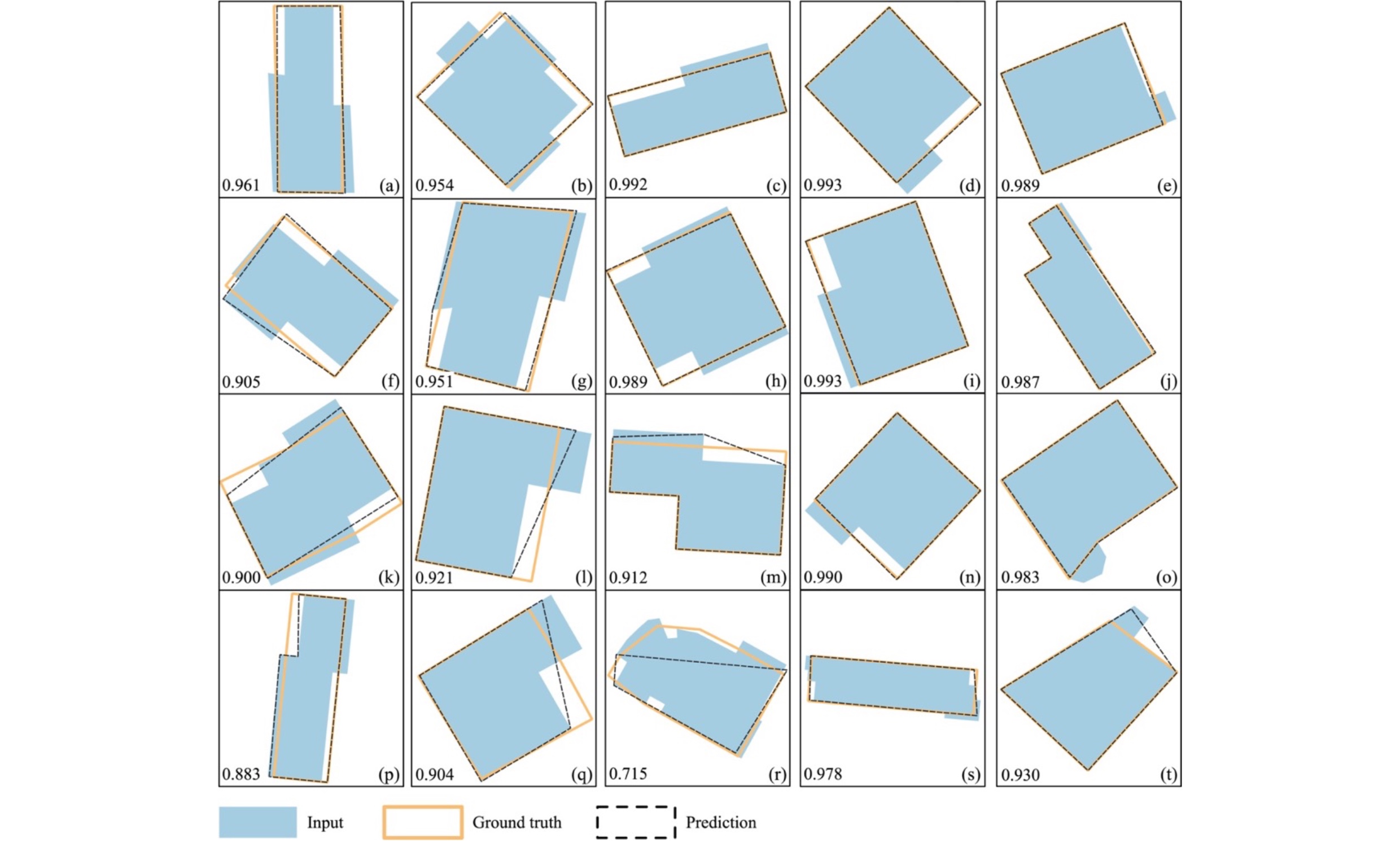
First, we are interested in developing methods to automatically generate maps at the scale and with the content that is appropriate to the user’s task. This calls for research in automated map generalization and multiple representation databases, where we have a long-standing reputation that also resulted in industry products. It also calls for research in cartographic pattern recognition and so-called data enrichment, as geospatial data are often ill-equipped with the rich semantics that is needed to drive complex processes such as map generalization.

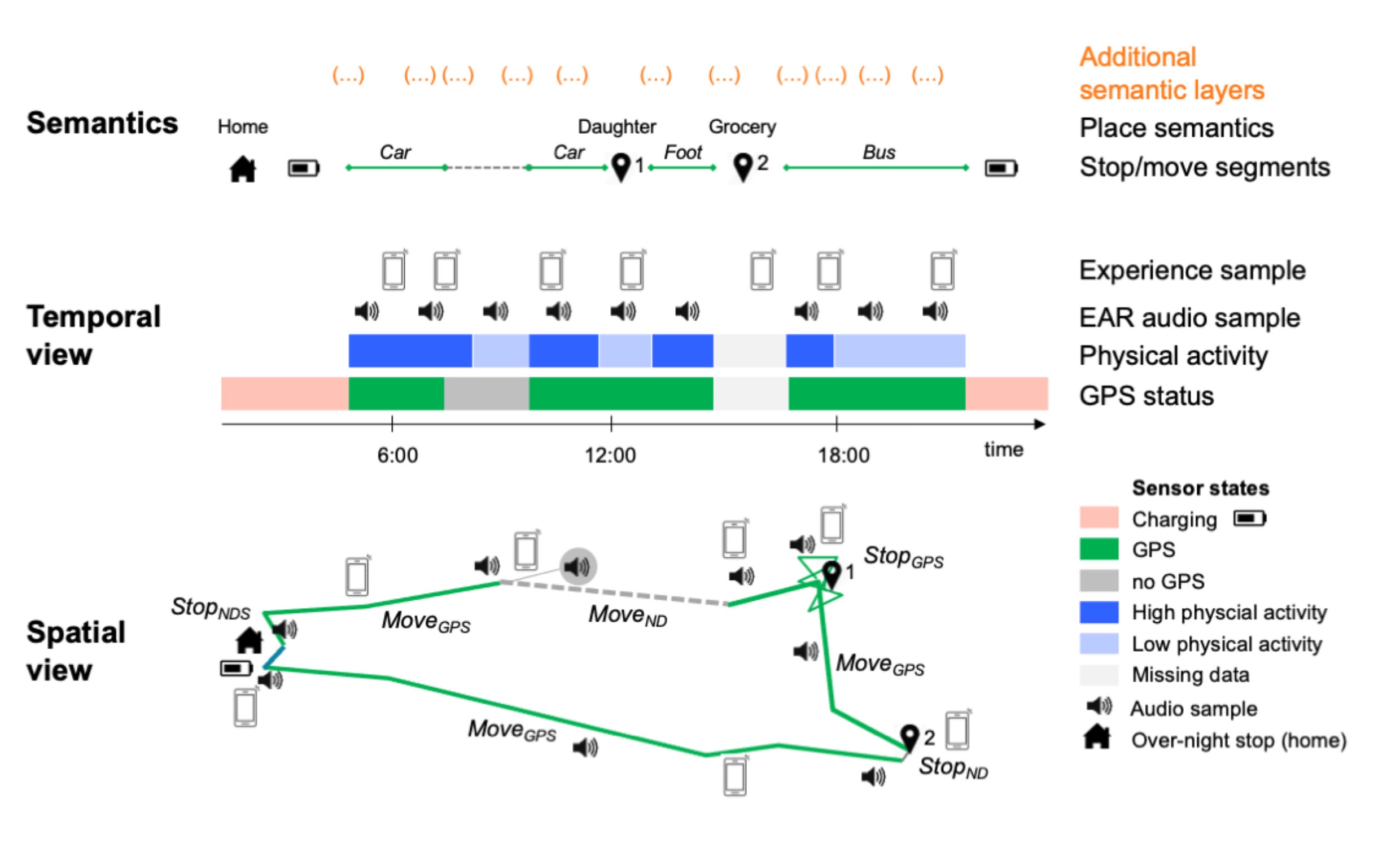
As a second focus of our research, we seek to exploit the opportunities of mobile and ubiquitous computing for GIS and cartography. We have developed mobile information systems for protected areas such as national and regional parks, and we experiment with geography-oriented m-learning (mobile learning). Since our keen interest is in generating useful maps, scaling is also an issue in mobile systems, and hence we develop methods for real-time map generalization and service-oriented architectures for generalization in web and wireless mapping.

Current projects:
Generalization for Portrayal in Web and Wireless Mapping (GenW2)
Ontology-driven Recognition of Urban Structures from Spatial Databases (ORUS)
Visual Analytics of spatio-temporal gaze Point Patterns in Eye movements (PopEye)

Completed projects:
Data enrichment for automated map generalization (DEGEN)
Web based generalisation services for online maps (SerAx)
Derivation of topographic maps from digital landscape models (DRIVE – Derivation of vector models)
WebPark - Geographically relevant information for mobile users in protected areas
GenDem: Map Generalization for Thematic and On-Demand Mapping in GIS
AGENT: Automated Generalisation - New Technology


Digital Terrain Modeling

The work in this group addresses primarily two areas. In the first, Digital Terrain Modeling, we evaluate methodologies for the representation, interpretation and exploitation of terrain data; we we seek to improve the understanding of the application of ‘quality’ upon products derived from terrain data; and we investigate how different representations impact upon process-based modeling at different scales.

The second focus is on Geographic Information Retrieval, a rapidly developing fields that seeks to develop facilities to retrieve and relevance rank text or image resources with a geographic scope from unstructured collections such web pages, news archives, or image collections. In particular, we are interested in methods that allow to associate information resources with location(s) and with the semantics associated with the particular location, and establish spatial and semantic relationships between locations.

Current projects:
Extraction of semantics from elevation models
Tripod - TRI-Partite multimedia Object Description
SuMo - Investigation of Subscale Modelling Approaches - a case study in mass balance modelling of ice sheets

Completed projects:
Ice sheet modelling, topography and uncertainty (TopIce)
Ice sheet modelling, topography and uncertainty (TopIce2)
SPIRIT - Spatially-Aware Information Retrieval on the Internet


Environmental Geoinformatics

Environmental applications of GIS have a long history and form a key focus of the GIS unit. In particular, we have been involved in planning and implementing GIS strategies and facilities for several protected areas, such as the Swiss National Park and Naturlandschaft Sihlwald. Protected areas form an important interface between society and nature, and therefore offer interesting opportunities for environmental education and awareness building among the general public. To the specialized researcher, protected areas are hot spots of research activities. Consequently, our research focuses on the one hand on using GIS technology for a broad audience, as exemplified by mobile information systems for park users, and on the other hand on the development of specialized GIScience techniques for researchers, as exemplied by methods for spatio-temporal analysis of animal tracking and other moving object data.

Current projects:
GIS Swiss National Park (GIS-SNP)
GIS Forest Reserve Sihlwald (GIS/NLS)
The Stabelchod Data Quality Study
FIRE PARADOX - An Innovativ e Approach of Integrated Wildland Fire Management Regulating the Wildfire Problem by the Wise Use of Fire: Solving the Fire Paradox

Completed projects:
Virtual worlds - real decisions? The Alps in a Modeller's Nutshell
EUFIRELAB: Euro-Mediterranean Wildland Fire Laboratory, a "wall-less" Laboratory for Wildland Fire Sciences and Technologies in the Euro-Mediterranean Region
SPREAD: Forest Fire Spread Prevention and Mitigation
Long-term Wildland Fire History of the Swiss National Park
Knowledge Based Dynamic Landscape Analysis and Simulation for Alpine Environments
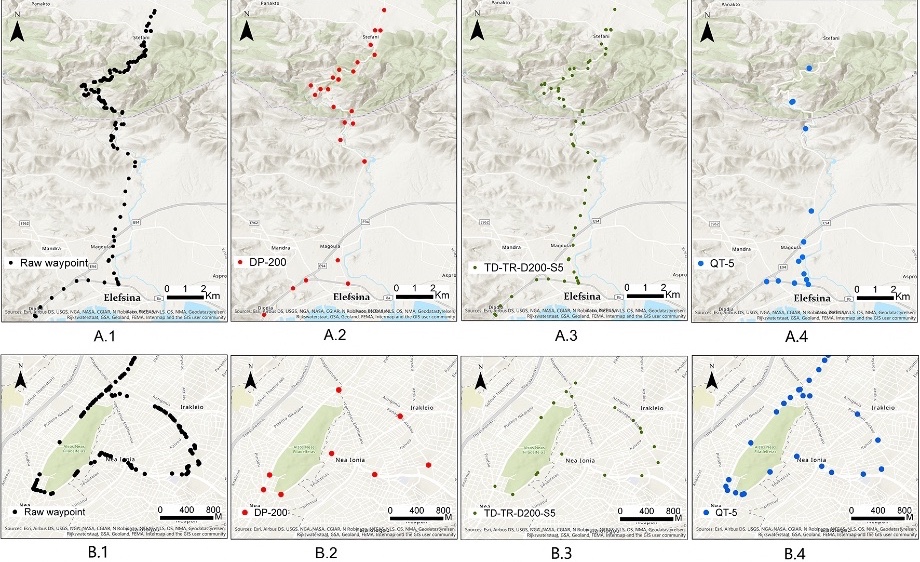
Analysing Spatio-Temporal Dynamics in Groups of Moving Point Objects
WebPark - Geographically relevant information for mobile users in protected areas
GIS based Framework for Wilfire Risk Assessment